

Table of Contents
- What Makes Mexican Leather Craftsmanship Unique
- How to Identify Authentic Leather
- Traditional Mexican Leather Techniques
- Full-Grain Leather and Quality Standards
- Leather Care Tips for Handmade Goods
- Ethical Sourcing and Sustainability in Leather Production
- Mexican Leather Craftsmanship Trends for 2026
- Conclusion
- Frequently Asked Questions
Last Updated: September 1, 2026
What Makes Mexican Leather Craftsmanship Unique
Mexican leather craftsmanship combines centuries-old techniques with full-grain leather and hand-tooled detail. Each piece reflects the artisan's individual skill, embedding cultural identity and meaning into every stitch. Artisans in regions like Guanajuato and León inherit knowledge through generations, treating leather as a canvas for storytelling rather than mere material.
Mexican artisans prioritize vegetable-tanned leather, a labor-intensive process that creates pieces with longevity and character. This leather develops a natural patina over time, deepening in color and texture with use, improving with age rather than deteriorating.
At Lunas Artisanal Shop, we source hand-tooled leather satchels and wallets directly from artisans in Guanajuato. The commitment to handcrafted quality means each piece is unique; human hands, not machines, shape them.

How to Identify Authentic Leather
Authentic leather shows natural variations in grain, texture, and color, imperfections that prove human hands shaped it. Genuine leather feels warm and supple with subtle texture variations; synthetic alternatives feel plasticky and cold.
Smell is a reliable indicator. Genuine leather has a distinctive, earthy, organic scent. Synthetic materials smell chemical or artificial.
Check the edges and seams for hand-stitching, irregular, visible stitches prove a person threaded each one. Machine stitching appears too perfect and uniform. Examine the interior; genuine leather reveals its true color on the underside.
Authentic pieces use quality hardware that doesn't tarnish quickly. At Lunas Artisanal Shop, our hand-chiselled leather wallet in the Guanajuato Floral design features gold-tone hardware that complements the natural leather patina.

Price reflects reality. Authentic handcrafted leather goods cost more because skilled labor is expensive. If the price seems too low, the piece likely isn't genuinely handcrafted.
Traditional Mexican Leather Techniques
Traditional Mexican leather techniques represent centuries of refined skill. The methods haven't changed fundamentally because they work, producing leather goods of unmatched durability and beauty.
Hand-Chiseling and Hand-Tooling
Hand-chiseling is the signature technique of Mexican leather craftsmanship. An artisan uses a chisel and mallet to carve designs directly into leather, creating depth and texture that machines cannot replicate. Each strike must be controlled; too light and the design doesn't register, too hard and the leather tears.
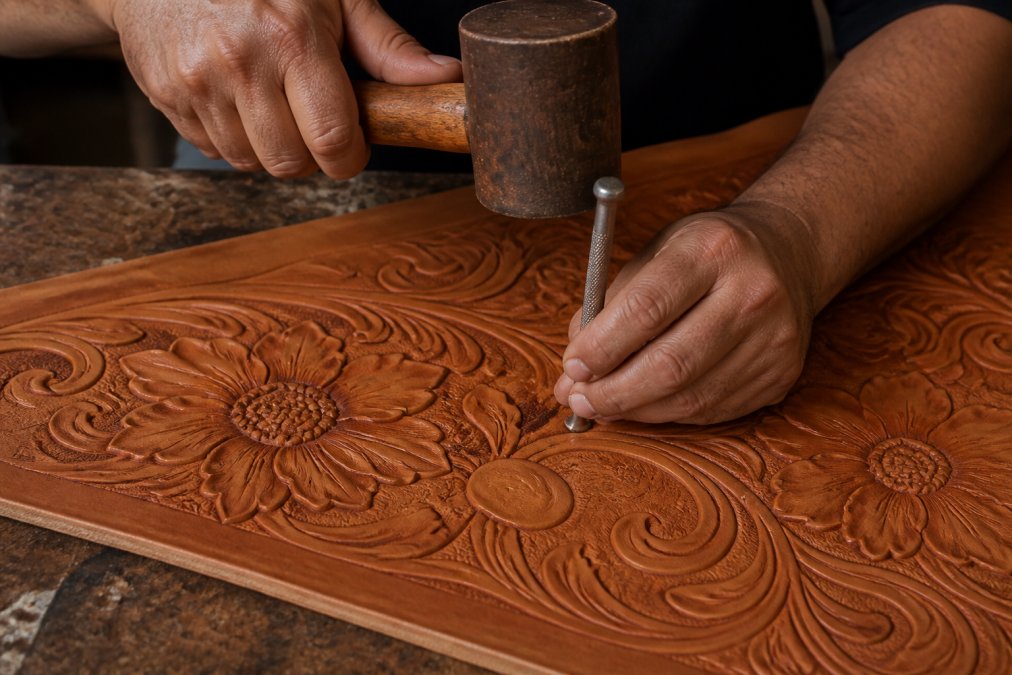
The artisan begins with a design sketch or mental image. Using specialized chisels of varying widths, they carve into dampened leather. Moisture makes the hide workable; dry leather resists the chisel. Each design element requires a different chisel and technique, creating a three-dimensional effect where light plays across carved surfaces.
This technique demands years of practice. Mistakes are permanent; there's no undo. Every hand-tooled piece carries the artisan's commitment and skill. The variations in depth and subtle irregularities are proof of authenticity and beauty.
Vegetable-Tanned Leather Processing
Vegetable-tanned leather processing uses tannins from tree bark, oak, chestnut, or hemlock, to cure and preserve leather. Unlike chrome-tanning, this slower method transforms raw hide into supple, durable leather.
The process begins with cleaned hide. After removing hair and flesh with lime treatment, the hide enters tanning vats. Artisans layer hides in pits filled with increasingly concentrated tannin solutions, moving them through pits over weeks or months. This gradual process allows tannins to penetrate fully, creating leather that's strong from the inside out.
Vegetable-tanned leather develops character. Over time, exposure to light, oils, and use creates a patina that deepens the leather's visual appeal. A vegetable-tanned wallet becomes more beautiful as it ages, unlike synthetic or chrome-tanned leather, which often fades or cracks.
This method produces chrome-free leather, safer for artisans and gentler on skin. It's also more sustainable than industrial chrome-tanning, which generates chemical waste.
Full-Grain Leather and Quality Standards
Full-grain leather is the highest grade available. It retains the entire grain surface, including all natural markings, scars, and variations, making each piece unique and proving authenticity.
Full-grain leather is stronger than lower grades because the grain layer is the densest part of the hide. It's more water-resistant and develops a rich patina over time that lower-grade leathers cannot achieve. Natural oils rise to the surface, creating a deeper, more lustrous appearance.
Lower-grade leathers, top-grain, split leather, and bonded leather, have been sanded or buffed to remove imperfections. This sacrifices durability and the ability to develop patina. None improve with age the way full-grain does.
Quality standards in Mexican leather craftsmanship emphasize full-grain leather exclusively. Artisans select hides carefully, rejecting those with major flaws. Remaining imperfections are seen as proof of authenticity.
The Escama satchel from Lunas Artisanal Shop exemplifies full-grain standards. Crafted from genuine leather sourced from Guanajuato, its hand-chiseled scale texture showcases the leather's natural grain. Each piece's unique character reflects the hide's natural variations, guaranteeing authenticity.
Leather Care Tips for Handmade Goods
Handcrafted leather goods require minimal intentional care. Proper maintenance ensures these pieces last decades, developing deeper character with each passing year.
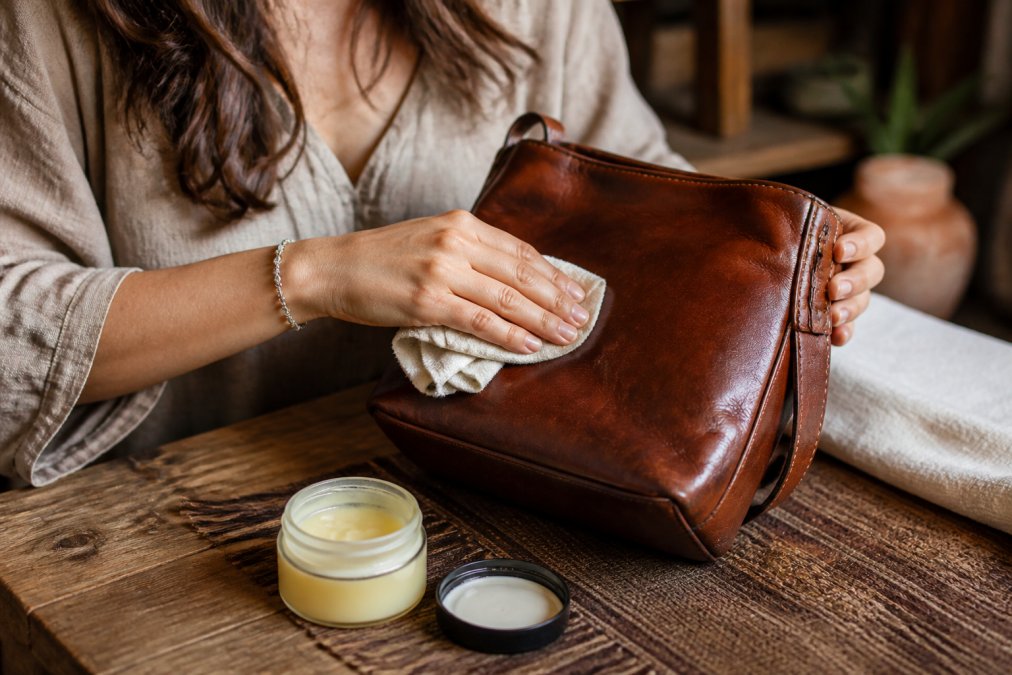
Keep leather dry. If your bag gets wet, dry it naturally at room temperature, never use heat. Stuff it with newspaper to absorb moisture. Once dry, condition the leather with a natural leather conditioner to restore oils.
Dust regularly with a soft cloth. For stubborn dirt, use a slightly damp cloth, then dry immediately.
Condition leather every 6-12 months depending on use and climate. Apply conditioner sparingly with a soft cloth in circular motions. Excess can darken leather or attract dirt.
Protect leather from prolonged direct sunlight. Store bags in a cool, dark place when not in use. Avoid plastic storage; leather needs to breathe.
Minor scuffs often resolve naturally as patina develops. Deeper scratches can be minimized with leather conditioner. Never use harsh chemicals or commercial cleaners designed for synthetic materials.
Ethical Sourcing and Sustainability in Leather Production
Ethical leather production starts with transparency. Consumers deserve to know where hides come from, how they're processed, and whether artisans are compensated fairly.
Mass-market leather goods obscure their supply chain through middlemen, creating layers of distance between consumer and maker. Prices drop at each layer, meaning artisans earn a fraction of retail price. This incentivizes cutting corners and lower wages.
Authentic Mexican leather craftsmanship resists this model. Direct relationships between artisans and sellers ensure fair compensation flows to makers. When you purchase from Lunas Artisanal Shop, you're supporting makers directly with transparent sourcing practices that ensure fair compensation.
Sustainability involves multiple factors. Vegetable-tanning avoids toxic chemicals and uses renewable resources rather than synthetic compounds. The leather produced lasts decades, reducing manufacturing's environmental cost.
Full-grain leather represents another sustainability advantage. Because the entire hide is used without sanding or buffing, there's minimal waste.
Supporting ethical leather producers means choosing quality over quantity. One hand-tooled bag lasting 20 years is more sustainable than five cheap bags replaced every four years. According to the EPA's guidance on sustainable consumer practices, prioritizing durability and longevity is one of the most effective ways to reduce environmental impact.
Mexican Leather Craftsmanship Trends for 2026
Mexican leather craftsmanship is experiencing a renaissance driven by consumer demand for authenticity and sustainability.
Artisan Collaboration and Direct Sales: More artisans sell directly to consumers through digital platforms, bypassing traditional retail middlemen. Consumers increasingly prefer buying directly from creators, knowing their money supports actual artisans.
Fusion of Traditional and Contemporary Design: Contemporary artisans experiment with modern aesthetics while respecting traditional techniques. Minimalist designs featuring hand-tooled elements and asymmetric silhouettes appeal to consumers seeking contemporary pieces with artisanal depth. The Escama satchel exemplifies this trend.
Customization and Bespoke Pieces: Consumers pay premium prices for personalized, made-to-order leather goods. Artisans offer customization options, monogramming, and custom designs reflecting a broader shift toward unique, individualized purchases.
Sustainability Messaging: Ethical sourcing and sustainability are mainstream expectations. Artisans highlighting vegetable-tanned leather, fair wages, and transparent supply chains differentiate themselves in a crowded market.
Heritage Storytelling: Brands emphasize the cultural and historical significance of leather craftsmanship. Pieces carry cultural identity and artistic tradition, resonating with consumers seeking meaningful purchases.
Quality Over Quantity: The broader consumer shift toward mindful consumption favors artisanal goods. People buy fewer items but choose higher-quality pieces they'll keep for years. According to McKinsey's 2026 Consumer Report on Luxury and Craftsmanship, consumers aged 30-50 increasingly prioritize authenticity and artisanal quality, with 60% willing to pay premiums for verified handcrafted goods.
Conclusion
Mexican leather craftsmanship represents more than functional accessories; it's a living tradition transforming raw materials into pieces of cultural and artistic significance. Full-grain leather, hand-chiseled details, and vegetable-tanned processing create goods that improve with age, becoming more beautiful and valuable over decades.
Identifying authentic pieces requires attention to detail: genuine leather feels warm and supple, shows natural variations, and develops patina. Traditional techniques demand skill, time, and commitment, qualities reflected in the final product's quality and longevity.
Ethical sourcing and sustainability are foundational to authentic Mexican leather craftsmanship. Supporting artisans directly, choosing vegetable-tanned leather, and prioritizing full-grain quality ensures your purchase supports both people and planet.
At Lunas Artisanal Shop, we bring authentic Mexican leather craftsmanship directly to your style. Our hand-tooled leather satchels, hand-chiselled wallets, and artisanal accessories are crafted by skilled makers in Guanajuato using 100% genuine, full-grain leather. Each piece features unique hand-chiseled details and develops a rich patina over time. Shop our collection of handcrafted leather goods and own a piece of living tradition. Learn more about sustainable artisan practices
| Technique | Process Duration | Durability | Patina Development |
|---|---|---|---|
| Hand-chiseling | 4-8 hours per piece | 15-20+ years | Rich, deepening texture |
| Vegetable-tanning | 8-12 weeks | 20-30+ years | Natural darkening and luster |
| Full-grain leather | N/A (material grade) | 25-40+ years | Authentic character with age |
| Machine stamping | 5-15 minutes per piece | 3-5 years | Minimal to none |
Frequently Asked Questions
What makes Mexican leather craftsmanship different from mass-produced leather?
Mexican leather craftsmanship emphasizes artisanal techniques passed down through generations, with each piece hand-tooled, hand-chiseled, or hand-stitched by skilled leatherworkers. Mass-produced leather relies on machines and chemical treatments. Authentic Mexican pieces use full-grain leather and vegetable-tanned hides that develop character and patina over time, whereas commercial leather is often chrome-tanned for speed. The result is durability, uniqueness, and cultural authenticity that factory-made goods cannot replicate.
How do I know if leather is genuine and not labeled as handcrafted when it isn't?
Genuine full-grain leather shows natural grain variation, visible hand-stitching with slight irregularities, and tooling marks that differ slightly across the surface, signs of human craftsmanship. Press the leather; it should feel supple and warm, not stiff or plastic-like. Check for a strong, natural leather smell rather than chemical odor. Authentic pieces from reputable artisans include documentation of origin and maker information. Look for hand-carved details that show depth and dimensional variation impossible to achieve with machine stamping.
What are the best practices for caring for handmade leather goods?
Clean handcrafted leather monthly with a soft, dry cloth to remove dust. Use a leather conditioner every 3-6 months to maintain suppleness and prevent cracking. Avoid direct sunlight and extreme heat, which fade color and dry the hide. Store in a cool, dry place away from moisture. For vegetable-tanned leather, exposure to light and use actually enhances patina, a natural darkening that adds character. Never use harsh chemicals or machine washing. A quality leather care product designed for full-grain leather will preserve both durability and aesthetics.
Is Mexican leather craftsmanship sustainable and ethical?
Authentic Mexican leather craftsmanship prioritizes sustainability through vegetable-tanning methods that avoid toxic chrome chemicals and use natural, renewable tannins. Ethical producers source hides responsibly and pay fair wages to artisans, supporting local communities directly. Supply chain transparency matters, reputable makers document their sourcing and production. Handcrafted pieces last decades or longer, reducing waste compared to fast-fashion alternatives. When you invest in genuine artisanal leather from ethical producers, you're supporting traditional skills, environmental responsibility, and fair labor practices.
How can I tell the difference between regional Mexican leather specializations?
Guanajuato, particularly the León region, is renowned for full-grain leather production and hand-chiseling techniques, producing durable bags and wallets with intricate carved details. Oaxaca specializes in tooled leather with bold, colorful designs reflecting indigenous artistry. Each region has distinct finishing styles, grain treatments, and design motifs rooted in local heritage. Authentic pieces often identify their region of origin, this transparency signals genuine craftsmanship. Understanding regional specialization helps you choose pieces that align with the specific artisanal tradition and aesthetic you value.
Why does handcrafted Mexican leather cost more than mass-produced alternatives?
Handcrafted Mexican leather reflects the true cost of artisanal production: skilled labor, premium full-grain hides, vegetable-tanning processes, and time. A single hand-chiseled piece can take hours or days to complete. Quality materials from ethical sources cost more than cheap synthetic alternatives. Fair wages for artisans and sustainable production methods add value. Most importantly, handcrafted pieces last 10-20+ years with proper care, whereas mass-produced bags often fail within 1-2 years. The investment in durability, authenticity, and cultural support justifies the premium price.
This article was written using GrandRanker