

Table of Contents
- What Makes Mexican Leather So Durable
- The Science Behind Hide Selection and Fiber Integrity
- Vegetable Tanning and Water Resistance
- Artisanal Craftsmanship and Construction Techniques
- Regional Leather Specializations: Why León Leather Stands Out
- Best Mexican Leather Handbag Brands and What to Look For
- Leather Care Tips for Longevity and Patina Development
- Conclusion
Last Updated: August 22, 2026
What Makes Mexican Leather So Durable
Mexican leather's reputation for exceptional longevity stems from raw material quality, time-honored processing methods, and construction techniques that prioritize substance over speed. At Lunas Artisanal Shop, we work directly with artisans who understand that durability results from deliberate choices at every stage: from hide selection to tanning, finishing, and assembly.
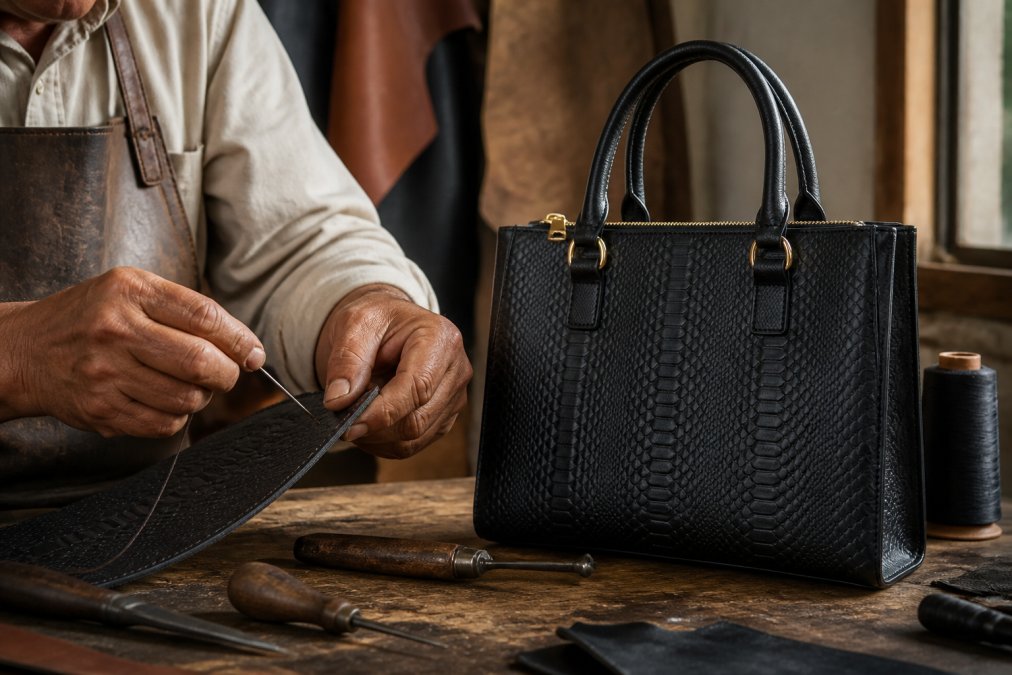
A leather bag lasting five years instead of one means fewer replacements, less waste, and a piece that develops character and patina rather than degrading. For conscious consumers who value longevity and cultural heritage, Mexican leather represents an investment aligned with their values.
The Science Behind Hide Selection and Fiber Integrity
Durability begins with the hide itself. Fiber integrity, the density and alignment of collagen fibers, determines how effectively leather resists tearing, puncturing, and degradation. Mexican ranches, particularly in Guanajuato and Chiapas, produce cattle with naturally dense fiber structures due to altitude, climate, and pasture composition. Higher altitudes and cooler temperatures produce thicker, denser hides as animals develop stronger protective layers.
Experienced tanners assess hide quality through visual inspection and tactile assessment, checking for consistency and density across the entire surface. Inconsistent density creates weak points where leather fails first under stress. Craftspeople focused on longevity reject substandard hides entirely, even if it means lower yield and higher waste. That selectivity is built into the cost of authentic Mexican leather goods.
Vegetable Tanning and Water Resistance
Vegetable-tanned leather uses tannins extracted from tree bark rather than synthetic chemicals. This process takes 12 to 16 weeks compared to a few days for chrome tanning, but produces leather with superior durability and the ability to develop rich patina over time.
Tannins bond with collagen proteins, cross-linking protein chains in a way that stabilizes the leather's structure and makes it more resistant to moisture, heat, and physical stress. Vegetable-tanned leather becomes water-resistant in a way that improves with age and use, as it's exposed to moisture and dries, it develops a protective patina that becomes more water-resistant than untreated leather.
Mexican artisans have used vegetable tanning for generations. This is a continuous tradition, not a revival. Vegetable-tanned leather goods properly cared for last for many years, while chrome-tanned leather typically degrades as synthetic tanning agents don't create stable collagen cross-links, causing the leather to become brittle and crack.
Artisanal Craftsmanship and Construction Techniques
How a leather piece is constructed determines whether the material's durability translates into a durable finished product.
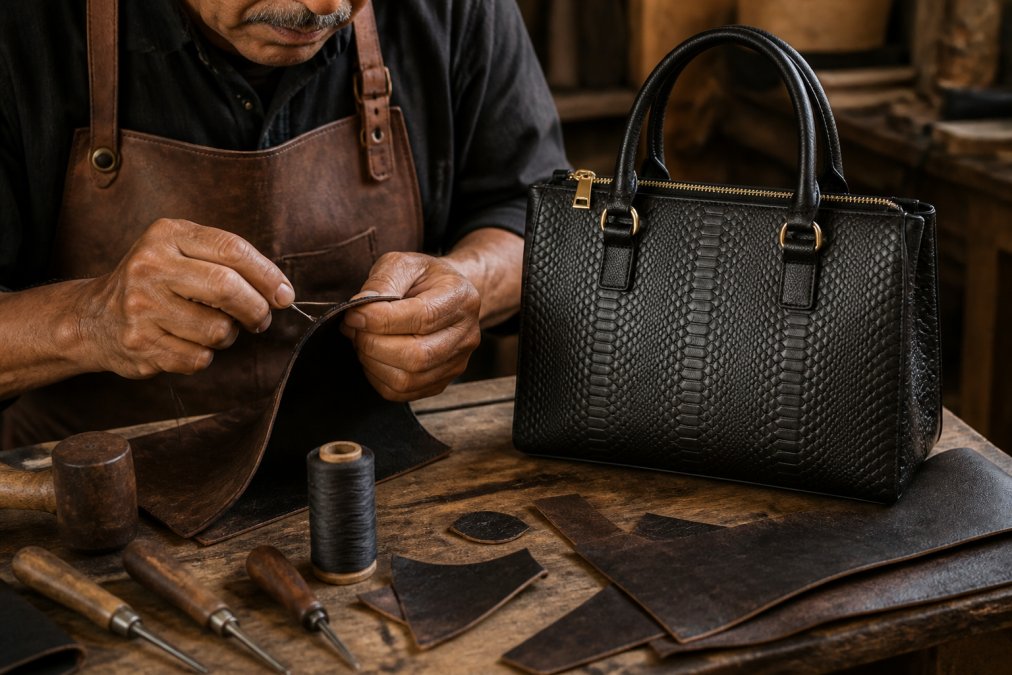
Hand-lasting shapes leather over a form by hand, gradually stretching and molding it into final shape while working with the leather's natural grain and fiber direction. This distributes stress evenly, maintaining structural integrity. Machine lasting applies uniform pressure that can damage fiber alignment in naturally thinner areas, creating weak points.
Welt construction inserts a leather strip between the upper leather and sole, then stitches through all layers. This reinforced seam distributes walking stress across multiple stitching points rather than concentrating it on a single line. A welted sole can be re-stitched and replaced indefinitely.
Mexican artisans often use lemonwood pegs when attaching soles. This hardwood doesn't split like metal nails and is biodegradable, allowing complete sole replacement without damaging the upper leather. Hand-stitching with waxed thread creates stronger, more flexible seams than machine stitching because the wax allows thread movement as leather flexes, reducing stress concentration. Hand-stitched seams can be easily repaired if threads break.
Regional Leather Specializations: Why León Leather Stands Out
León, in Guanajuato, has been a leather manufacturing center for over 500 years. This deep, continuous tradition is embedded in local economy, culture, and infrastructure. The concentration of tanneries, workshops, and artisans created a "cluster effect" where knowledge compounds, tanneries develop relationships with specific hide suppliers, workshops with specific tanneries, and artisans train apprentices who become master craftspeople. Quality standards rise because reputation is everything in tight-knit communities.
León leather is known for color depth and rich patina because the region's tanneries have spent centuries refining processes, understanding local water chemistry and optimal timing for each tanning stage. Chiapas specializes in hand-tooled and hand-carved leather, where durability and artistry are equally important. These regional specializations reflect genuine expertise accumulated over generations.
Best Mexican Leather Handbag Brands and What to Look For
When evaluating Mexican leather handbags for durability, transparency about sourcing and construction indicates genuine quality. Look for full-grain leather, which retains the hide's natural outer layer including character marks and scars, the strongest part of the hide.
Examine stitching for hand-work: slightly irregular stitches following natural leather contours, often done with waxed thread. Check hardware for solid brass or copper rather than plated steel, which wears through with use. Lunas Artisanal Shop's collection exemplifies these markers. The Escama, Chiseled Scale Genuine Leather Satchel features hand-chiseled texture from Guanajuato leather. The Valeri, Two-Tone Genuine Leather Handbag combines artisan craftsmanship with practical durability, the two-tone design comes from careful leather selection rather than dyeing, so color improves with use. The Arizona, Long Bifold Genuine Leather Wallet from León features unique white contrast stitching indicating hand-construction.

For handbags, look for internal structure that maintains shape under load through reinforcement, interfacing, or strategic stitching. A bag that flops under its own weight develops creases and stress points that eventually tear.
Leather Care Tips for Longevity and Patina Development
Patina development, where leather darkens, deepens in color, and develops a polished appearance through use and light exposure, isn't damage but a sign of beautiful aging. Vegetable-tanned leather develops patina faster and more visibly than other types.
To encourage healthy patina while protecting leather:
-
Condition regularly but not excessively. Light conditioning every 6 to 12 months with natural leather conditioner maintains suppleness and prevents cracking.
-
Expose gradually to light. Sunlight darkens and hardens leather desirably, but rapid direct exposure causes uneven coloring.
-
Allow moisture to dry naturally. Don't use heat to dry wet leather; let it dry at room temperature for natural deepening of color and texture.
-
Use regularly. Hand oils and friction from regular use accelerate patina development.
-
Avoid harsh chemicals. Use only leather-specific conditioners and cleaners.
-
Store in breathable conditions. Use cloth bags or unbleached cotton, not plastic, which traps moisture and promotes mold.
According to the Leather Working Group's material durability standards, proper care extends leather lifespan by 300% or more compared to neglected leather.
Why Durability Matters: The Bigger Picture
Research from the Ellen MacArthur Foundation on circular fashion shows that shifting from disposable to durable goods is one of the most effective ways consumers reduce fashion waste and environmental impact. A leather handbag lasting 20 years instead of 2 eliminates 90% of replacement waste. The environmental cost per year of ownership drops dramatically when initial production impact is distributed across two decades rather than concentrated into a short lifespan.

Artisanal leather craftsmanship represents a fundamentally different approach: the maker's reputation depends on durability. Industrial manufacturing optimizes for lowest cost without experiencing consequences of premature failure, the customer bears that cost. The Sustainable Apparel Coalition's Material Sustainability Index documents that full-grain vegetable-tanned leather scores highly across durability, repairability, and end-of-life environmental impact.
Conclusion
Mexican leather is durable because it prioritizes longevity at every stage: careful hide selection for fiber integrity, vegetable tanning for structural stability, artisanal hand-construction for even stress distribution, and finishing techniques allowing protective patina development. This results from choices made by people who understand durability is worth the investment.
Lunas Artisanal Shop brings this tradition directly to your collection with handcrafted pieces like the Escama satchel and Valeri handbag, each featuring genuine Guanajuato and León leather with construction quality supporting decades of use. When you choose Mexican leather, you're choosing a piece that develops character, improves with age, and becomes more valuable over time. Shop your story today with pieces built to last.
Frequently Asked Questions
Q: Is Mexican leather really better quality than leather from other countries?
A: Mexican leather, particularly from León, competes with the world's finest because of its hide selection standards and traditional vegetable-tanning methods. The durability comes from full-grain hides with intact fiber structure and tanneries that use time-tested processes rather than chemical shortcuts. While quality exists globally, the combination of heritage craftsmanship, material sourcing, and construction techniques makes Mexican leather distinctly long-lasting. The patina it develops over years of use is a sign of authentic, durable leather rather than degradation.
Q: What are the signs of authentic, durable Mexican leather?
A: Authentic Mexican leather shows natural variation in color and texture, no two pieces are identical. Look for full-grain construction (smooth surface with visible pores), not corrected or bonded leather. Genuine vegetable-tanned leather feels warm and develops a rich patina with age. Check stitching for hand-lasting or welt construction, which indicates artisanal methods. Flexibility when bent is a sign of proper hide selection and tanning. Lunas Artisanal Shop's pieces, like the Escama satchel from Guanajuato, display these hallmarks of authentic craftsmanship.
Q: How does vegetable tanning make leather more durable than other methods?
A: Vegetable tanning uses natural tannins from tree bark to bond with leather fibers, creating a dense, stable molecular structure that resists breakdown. This process takes weeks or months, allowing tannins to penetrate deeply and strengthen fiber integrity. The result is leather that becomes more supple and water-resistant over time, rather than cracking or peeling. Chemical tanning methods are faster but create surface-level bonds that deteriorate with use. Vegetable-tanned leather's ability to develop patina, a protective layer of oxidized oils, actually enhances durability and adds character.
Q: How should I care for my Mexican leather handbag to ensure it lasts?
A: Keep your leather away from prolonged direct sunlight and excessive moisture, though vegetable-tanned leather handles occasional water exposure better than most. Condition your bag every 6-12 months with a natural leather conditioner to maintain pliability and water resistance. Wipe spills promptly with a soft cloth. Store in a cool, dry place, avoid plastic bags that trap moisture. For scratches and scuffs, these are natural character marks on genuine leather. Regular use actually helps develop the patina that protects and beautifies the leather. Avoid harsh chemicals or heat sources that can damage the finish.
This article was written using GrandRanker