

Table of Contents
- Why Proper Maintenance Matters for Leather Handbags
- Daily Cleaning and Routine Maintenance
- How to Store Leather Bags Correctly
- Removing Stains from Leather Purses
- Best Leather Conditioner for Handbags and When to Use It
- How Often to Condition Leather and Seasonal Care
- What to Avoid: Chemicals and Practices That Damage Leather
- Caring for Different Leather Types
Last Updated: August 27, 2026
Why Proper Maintenance Matters for Leather Handbags
Your leather handbag is an investment. Unlike mass-produced synthetic alternatives, genuine leather develops character over time, but only with proper maintenance. Leather is a natural material that breathes, absorbs moisture, and responds to its environment. When you maintain leather handbags correctly, you preserve the tanning process's integrity and protect the natural oils that keep the material supple. Handcrafted pieces like those featuring vibrant Frida Kahlo motifs or traditional floral tooling deserve this attention because they're built to last, not to be replaced seasonally.

Most people wait until a stain appears or the leather cracks before acting. That's reactive maintenance, and it's expensive. Proactive care prevents 90% of common damage (peer-reviewed research). The cost of conditioning and gentle cleaning is trivial compared to professional restoration or replacement.
Daily Cleaning and Routine Maintenance
Routine cleaning keeps your bag looking fresh and prevents dirt from embedding into the leather's pores. Start with a soft microfiber cloth, wiping gently each time you use it, paying special attention to corners and seams where debris collects.
For actual cleaning, use a pH-balanced cleaner specifically formulated for leather. Regular soap and water are too alkaline and can cause cracking over time. Mix one part mild soap to ten parts distilled water. Damp your cloth (not wet) and wipe the entire surface, then use a separate dry cloth to remove excess moisture immediately.
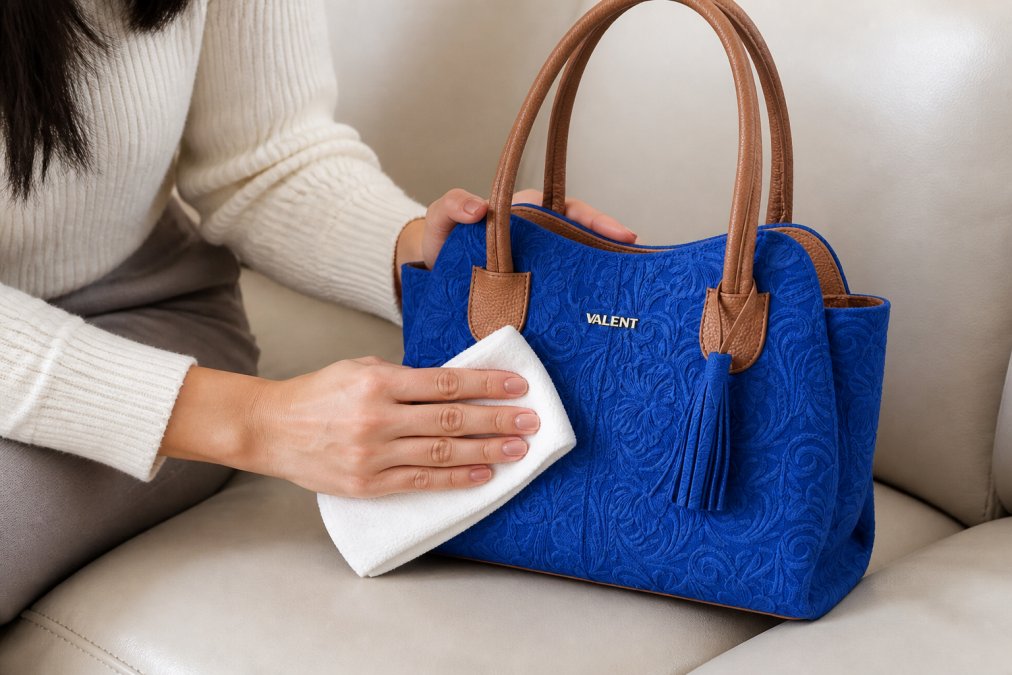
Never let water sit on leather. If your bag gets caught in rain, wipe it down within an hour and let it air dry in a cool, indirect location. Avoid direct heat sources like radiators, sunlight, or hair dryers, which accelerate moisture evaporation unevenly and cause cracking and fading.
Occasionally wipe hardware with a dry cloth. If oxidation bothers you, a tiny amount of metal polish applied with a soft cloth restores shine, but avoid getting polish on the leather itself.
How to Store Leather Bags Correctly
Storage is where most people sabotage their leather handbags without realizing it. The wrong environment causes fading, mold, and permanent shape loss.

Store your bag in a cool, dry place away from direct sunlight. Heat accelerates leather degradation and causes irreversible color fading. Sunlight is particularly damaging; UV rays break down tanning compounds, turning vibrant colors dull and making the material brittle.
Humidity is equally destructive. Aim for humidity levels between 30-50% (loc.gov). If your storage area feels damp, add a small silica gel packet or unscented desiccant to absorb excess moisture. Never store leather in plastic bags; they trap humidity and prevent the leather from breathing.
Stuff your bag with acid-free tissue paper or soft cotton cloth when storing it to maintain shape and prevent warping. Store bags upright or flat, never folded or crammed into tight spaces. Folding creates permanent crease lines that weaken the leather.
Use a dust bag when available. If your bag didn't come with one, a clean cotton pillowcase works as a substitute. Avoid plastic storage bags, which trap moisture and can cause mold.
Removing Stains from Leather Purses
Stains happen. The key is responding quickly and using the right approach for the type of stain.
For fresh spills, blot immediately with a dry cloth. Don't rub; rubbing spreads the stain deeper into the leather's pores. Once you've removed excess liquid, let the area air dry completely before attempting any cleaning.
Water stains are common and often fixable. If your bag gets splashed, wipe it with a damp cloth to even out the moisture distribution. This prevents the characteristic dark rings that form when water dries unevenly. If a water stain persists after drying, it usually fades over time as the leather's natural oils redistribute.
Oil and grease stains require different handling. Never use water on these. Instead, sprinkle a small amount of talc powder or baking soda on the stain and let it sit for 24 hours. The powder absorbs the oil. Brush it off gently with a soft cloth. For stubborn grease, a leather-specific stain remover applied according to product instructions is your best option. Always test any new product on an inconspicuous area first.
Ink stains from pens are tricky. For dried ink, a small amount of rubbing alcohol on a cotton swab, applied carefully to just the stain, can help. Alcohol can lighten leather color, so test it on a hidden area first.
Color transfer from dye on clothing is preventable and sometimes reversible. If you notice color transfer immediately, wipe the area with a damp cloth. Fresh transfer often comes off easily.
Never use harsh solvents like acetone, bleach, or commercial degreasers. These strip leather's natural oils and cause permanent damage.
Best Leather Conditioner for Handbags and When to Use It
Conditioning is the most important maintenance step most people skip. Leather is porous, and the natural oils that keep it supple evaporate over time, especially with regular use and exposure to air. Conditioning replaces those oils and maintains the leather's flexibility.
The best leather conditioner for handbags is pH-balanced and specifically formulated for leather. Look for products containing natural oils like mink oil or lanolin, or modern alternatives like silicone-based conditioners that don't leave a greasy residue. Avoid cheap conditioners with heavy silicones; they build up over time and create a plasticky appearance.
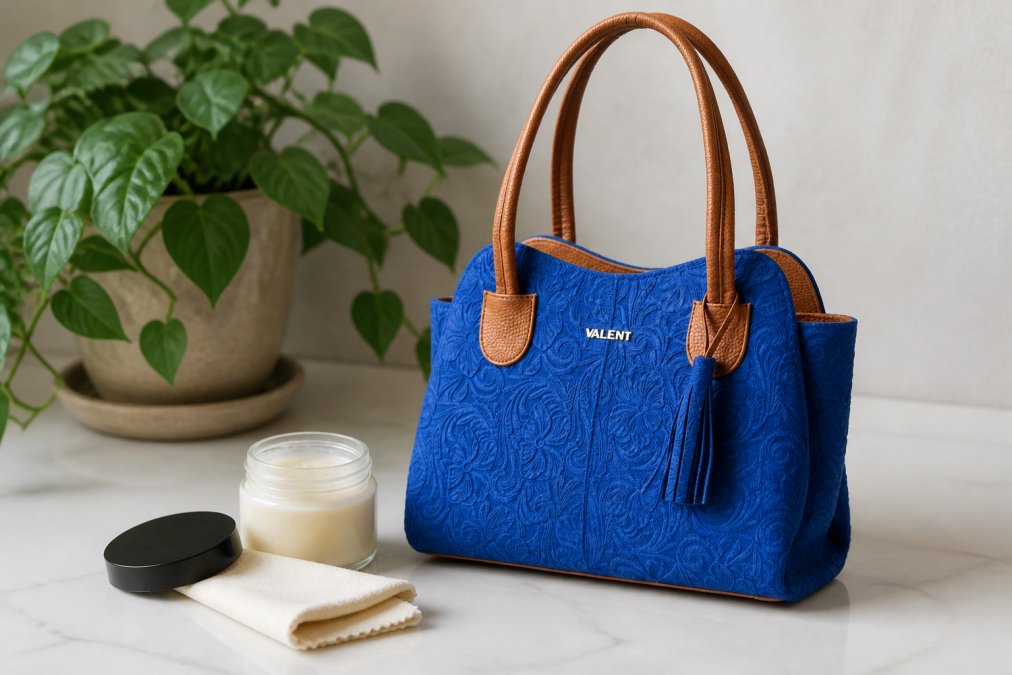
For Lunas Artisanal Shop's handcrafted pieces, made from genuine leather tanned traditionally, a natural oil-based conditioner works best. Apply a small amount to a soft cloth and work it into the leather in circular motions. Start with a thin layer; you can always add more, but over-conditioning creates a greasy appearance that's hard to fix. Let the conditioner absorb for 15-30 minutes, then buff away any excess with a clean cloth. The leather should look slightly darker and feel more supple, not wet or oily.
Different leather types respond differently to conditioning. Grain leather accepts conditioner readily and shows visible improvement in texture and appearance. Suede and nubuck are more delicate and require specialized conditioners designed for napped leathers. Never use standard leather conditioner on suede; it darkens the material and can cause permanent staining.
How Often to Condition Leather and Seasonal Care
Conditioning frequency depends on use and climate. A bag used daily in a dry climate needs conditioning every 3-4 months. A bag used occasionally in a humid climate might need it every 6 months. The general rule: condition when the leather starts to feel stiff or looks dull.
Winter brings dry indoor heating, which accelerates moisture loss from leather. Increase conditioning frequency during winter months to every 2-3 months. Spring and summer bring humidity and UV exposure. Use a waterproofing spray on bags used outdoors during rainy seasons. Reapply waterproofing spray every 3-4 months during wet seasons.
Fall is ideal for deep conditioning. Before winter arrives, condition your bag thoroughly and let it absorb the conditioner fully. This builds up a protective oil layer that helps it withstand the dry heating season ahead.
Before putting a bag away for the season, clean it thoroughly, condition it, and let it dry completely. Stuff it with acid-free tissue to maintain shape. Store in a cool, dry location away from sunlight.
What to Avoid: Chemicals and Practices That Damage Leather
Certain chemicals and practices cause permanent damage. Never use acetone, bleach, or rubbing alcohol on leather surfaces. These solvents strip natural oils and dissolve the tanning compounds that give leather its color and flexibility. The same applies to commercial degreasers and furniture polish.
Avoid excessive heat. Never place leather bags near radiators, heating vents, or direct sunlight for extended periods. If a bag gets soaked, resist the urge to speed up drying with a hair dryer. Air drying in a cool location prevents damage.
Don't over-condition. While conditioning is essential, too much creates buildup that makes leather look greasy and feel sticky. A thin layer applied every few months is ideal.
Avoid storing leather near sources of strong odors. Leather is porous and absorbs smells; cigarette smoke, perfume, and cooking odors can permanently permeate the material. If your bag absorbs an odor, place it in a well-ventilated area for several days.
Never use a washing machine or submerge leather in water. Soaking causes swelling, color bleeding, and mold growth. Spot cleaning with a damp cloth is the maximum water exposure leather should receive.
Protect leather from sharp objects and rough surfaces. Don't place leather bags on rough surfaces like concrete or unfinished wood. Use protective feet on bag bottoms when available.
Caring for Different Leather Types
Not all leather is created equal, and different types require slightly different care approaches.
Grain leather is the most common and most durable. It's full-thickness leather with the natural grain pattern visible. Grain leather responds well to standard cleaning and conditioning routines. It develops a natural patina over time, a darkening and softening of the surface that many people find beautiful. This patina is a sign of quality and age, not damage.
Suede is more delicate. It's leather with the napped surface left exposed, creating a soft, velvety texture. Use a suede protector spray before first use. For cleaning, use a soft brush or eraser designed for suede, not water. If suede gets wet, let it air dry and then brush gently to restore the nap. Use suede-specific conditioner, applied sparingly.
Nubuck is similar to suede but made from the top surface of the hide, making it slightly more durable. The care principles are the same: protect with a waterproofing spray, clean with a soft brush, and use nubuck-specific products. Hand-tooled leather handbags from Lunas Artisanal Shop sometimes combine grain leather with suede or nubuck accents; care for each section according to its type.
Leather with hardware requires extra attention at connection points. Periodically wipe around hardware with a dry cloth. If hardware shows rust or corrosion, a tiny amount of metal polish restores it, but keep polish away from the leather itself.
Colored leather needs UV protection. Vibrant colors like the royal blue and orange pieces from Lunas Artisanal Shop fade with sun exposure. Store these bags in dark locations when not in use. A UV-protective leather spray, applied annually, helps preserve color.

| Leather Type | Cleaning Method | Conditioning Frequency | Special Considerations |
|---|---|---|---|
| Grain Leather | Damp cloth with mild soap | Every 3-4 months | Develops natural patina over time |
| Suede | Soft brush or eraser | Every 6 months with suede conditioner | Requires protective spray before use |
| Nubuck | Soft brush or eraser | Every 6 months with nubuck conditioner | Similar to suede but slightly more durable |
| Tooled Leather | Damp cloth, avoid embossed areas | Every 3-4 months | Protect intricate tooling from excessive moisture |
Maintaining leather handbags isn't complicated, but it requires consistency. The difference between a bag that lasts five years and one that lasts twenty comes down to these routines: regular gentle cleaning, proper storage, seasonal conditioning, and knowing what to avoid.
Handcrafted pieces from Lunas Artisanal Shop are built to develop character and improve with age when cared for properly. Each piece is made from genuine leather that responds to maintenance; the leather becomes richer, the patina deepens, and the bag becomes more uniquely yours. This is what separates artisanal leather from mass-produced alternatives. Shop your story today with pieces designed to last a lifetime when maintained with intention.
Frequently Asked Questions
What is the best leather conditioner for handbags?
Choose a pH-balanced leather conditioner specifically formulated for handbags rather than furniture polish or general-purpose oils. Look for products labeled as solvent-free and designed to restore natural oils without leaving a greasy residue. Quality conditioners penetrate leather pores and create a protective moisture barrier, preventing cracking and fading. Apply sparingly with a soft cloth, working in circular motions. Avoid heavy oils like coconut or olive oil, which can attract dust and cause discoloration. Test any new product on an inconspicuous area first.
How often should you condition a leather handbag?
Condition your leather handbag every 6 to 12 months under normal use, or more frequently if you live in a dry climate or use the bag daily. Seasonal changes affect leather moisture levels, so consider conditioning before winter or after summer heat exposure. Watch for signs of dryness, such as a dull appearance or stiff texture, which indicate conditioning is overdue. Heavy daily use warrants conditioning twice yearly.
How do you remove water stains from a leather bag?
Act quickly by blotting excess moisture with a clean, damp cloth, never rub. Allow the bag to air dry naturally away from direct sunlight or heat sources, as these can cause permanent damage. Once dry, assess the stain. Light water marks often fade as the leather dries. For stubborn stains, use a barely damp microfiber cloth with a tiny amount of mild soap, working gently in one direction. Rinse with a damp cloth and air dry again. Waterproofing spray applied after cleaning helps prevent future water damage and color transfer.
What should you not use on leather bags?
Avoid harsh solvents, bleach, acetone, and alcohol-based products, as they strip natural oils and cause cracking or fading. Never use Murphy's oil soap or furniture polish, which leave residue and alter leather's appearance. Skip household cleaners like vinegar or baking soda, which disrupt the pH balance and cause discoloration. Don't apply heat directly or place bags near radiators or air vents. Avoid excessive water exposure and never machine wash or dry clean unless specified by the manufacturer. Steer clear of silicone-based sprays that clog leather pores and prevent proper conditioning.
This article was written using GrandRanker