

Table of Contents
- Why Supporting Mexican Artisan Communities Matters
- How to Identify Fair Trade Artisan Products
- Best Mexican Leather Handbag Brands That Support Artisans
- Ethical Shopping for Handmade Goods Online
- Direct Ways to Support Artisan Communities Online
- Preserving Traditional Craftsmanship in the Digital Age
- Conclusion: Your Role in Supporting Artisan Communities
Last Updated: August 26, 2026
Why Supporting Mexican Artisan Communities Matters
When you buy handcrafted goods from authentic artisan sources, you're participating in cultural preservation and economic empowerment. Supporting Mexican artisan communities online creates direct pathways for makers to reach global markets without intermediaries, allowing fair compensation to flow directly to the hands that created each piece.
The artisan economy represents a vital lifeline for rural and indigenous communities. Many artisans depend entirely on sales to sustain their families and preserve techniques passed down through generations. By choosing to support Mexican artisan communities online, conscious consumers help ensure that traditional weaving, pottery, leatherwork, and textile arts survive in an increasingly industrialized world.
At Lunas Artisanal Shop, we are dedicated to celebrating cultural heritage through artisan quality that allows you to shop your story. When buyers understand the story behind each handmade piece, the hours invested, natural materials used, and cultural significance embedded in every design, they make purchasing decisions aligned with their values. The economic impact extends beyond individual makers to strengthen entire cooperative networks and enable artisans to invest in sustainable materials and improved working conditions.
How to Identify Fair Trade Artisan Products
Distinguishing authentic fair trade artisan products from mass-produced imitations requires understanding key markers of genuine craftsmanship. True handmade goods show variations in design, color, and texture; machine production creates uniformity. Each piece should tell a story through subtle imperfections that prove human hands shaped it.
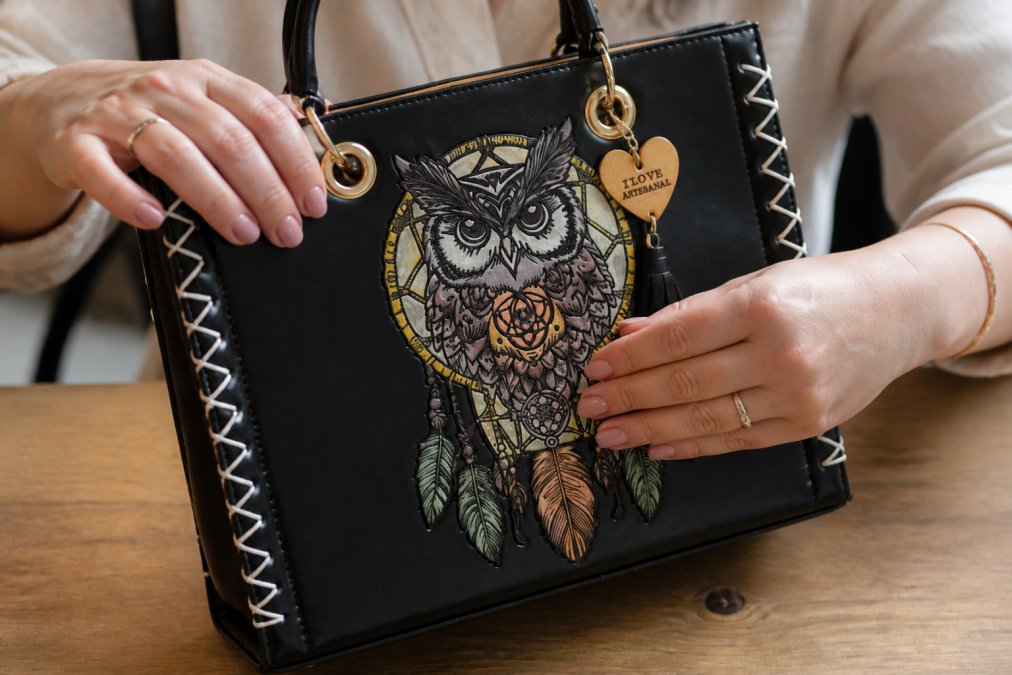
Look for transparent sourcing information. Legitimate artisan sellers provide details about where products are made, who created them, and how compensation works. Vague descriptions without naming specific communities or artisans are red flags. Ethical sourcing means you can trace the supply chain backward from finished product to the workshop or individual maker.
Material authenticity matters significantly. Genuine vegetable-tanned leather develops a unique patina over time and chars rather than melts when exposed to fire. Hand-painted designs show visible brushstrokes and slight color variations, not the perfect uniformity of screen printing.

Fair trade pricing reflects the true cost of ethical production. If a handcrafted leather bag costs significantly less than comparable pieces, question whether artisans received fair compensation. Products from Lunas Artisanal Shop use premium vegetable-tanned leather and direct artisan partnerships, with pricing that reflects genuine craftsmanship.
Certifications provide additional assurance. Request documentation or third-party verification when available. Reputable sellers welcome questions about sourcing practices and can provide detailed answers about artisan partnerships, production methods, and fair compensation structures.
Best Mexican Leather Handbag Brands That Support Artisans
When selecting a leather handbag that genuinely supports artisan communities, prioritize brands with verifiable direct relationships to makers and transparent production practices.
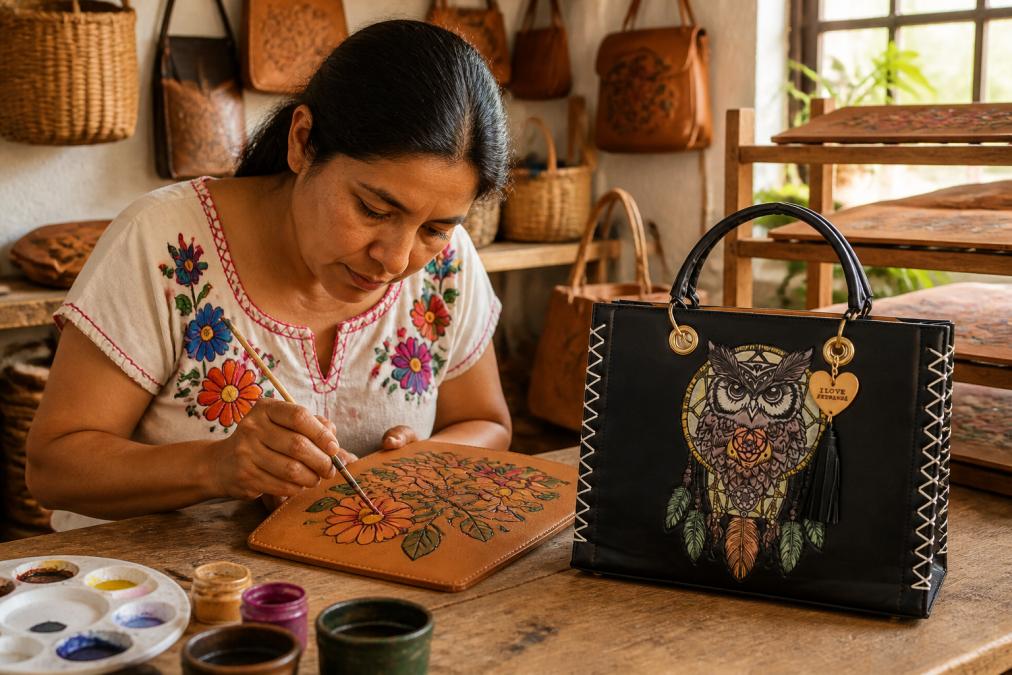
Lunas Artisanal Shop stands as a choice for consumers prioritizing authentic artisan support. Based in Arizona with direct partnerships to artisans in León, Guanajuato, Lunas Artisanal Shop offers hand-painted vegan leather totes, vegetable-tanned dome bags, and artisan-woven pieces featuring traditional Chiapas loom textiles. Each item is handcrafted, with the Hand-Painted Vegan Leather Tote Bag at $75.00 and the Hand-Painted Vegetable-Tanned Leather "Dome" Bag at $65.00. These pieces feature vibrant Frida Kahlo motifs and timeless designs suitable for professional and creative settings. The brand's commitment to 100% genuine leather and transparent sourcing makes it a reliable option for buyers seeking verifiable artisan support.

The Chiapas Loom Vegan Leather Tote ($65.00) uniquely combines indigenous textile traditions with modern materials, directly supporting weavers from one of Mexico's most culturally rich regions.

When evaluating Mexican leather handbag brands, examine their willingness to share artisan stories. Brands that name their makers, explain production methods, and describe cultural significance demonstrate genuine commitment to artisan communities.
Ethical Shopping for Handmade Goods Online
Ethical shopping for handmade goods online requires intentional decision-making at each step. Start by researching seller backgrounds thoroughly. Visit their websites, read their origin stories, and look for specific information about artisan partnerships. Legitimate sellers invest in storytelling because they're proud of their sourcing. They'll describe workshops, name artisans or cooperatives, explain production timelines, and justify pricing through transparency.
Evaluate pricing within the context of fair compensation. Handmade goods require significantly more labor than mass production. When you see suspiciously low prices for supposedly handcrafted items, the artisan likely received inadequate compensation.
Examine material sourcing practices. Ethical producers prioritize sustainable, high-quality materials. Vegetable-tanned leather represents an ethical choice because it uses natural tannins and biodegrades completely. Vegan leather alternatives should come from reputable manufacturers with transparent production practices.
Review return and refund policies carefully. Reputable artisan sellers offer reasonable return windows and transparent processes. They understand that handmade items sometimes arrive with characteristics, slight color variations, natural material quirks, visible artisan marks, that differ from factory products.
Support brands that invest in artisan communities beyond immediate sales. Lunas Artisanal Shop's commitment to celebrating cultural heritage through direct artisan partnerships demonstrates this deeper investment in community wellbeing.
Direct Ways to Support Artisan Communities Online
Beyond purchasing finished products, multiple pathways exist for supporting Mexican artisan communities online.
Purchase directly from artisan cooperatives and platforms. Websites connecting buyers directly to maker collectives eliminate middlemen and ensure maximum compensation reaches artisans. These platforms often feature detailed maker profiles, production stories, and transparent pricing breakdowns.
Follow and amplify artisan voices on social media. Many Mexican artisan communities maintain Instagram, TikTok, and Facebook presence. Following, liking, and sharing their content increases visibility and helps algorithms push their work toward potential buyers. Comments expressing genuine appreciation encourage artisans to continue creating.
Participate in virtual workshops and cultural experiences. Some artisan communities offer online classes teaching traditional techniques like leather working, weaving, and pottery. Paying for these experiences directly funds artisans while you learn their craft.
Recommend artisan brands within your networks. Word-of-mouth recommendations carry tremendous weight. When you share Lunas Artisanal Shop or other ethical brands with friends and social media followers, you're expanding market access for artisans.
Subscribe to artisan newsletters and pre-order collections. Many makers offer subscription models or seasonal pre-orders. Committing to future purchases provides artisans with income certainty, allowing them to purchase materials in advance and plan production schedules.
Leave detailed reviews emphasizing artisan craftsmanship. Detailed reviews highlighting handmade quality, material authenticity, and artisan story influence other buyers' decisions and encourage them to prioritize artisan support.
Preserving Traditional Craftsmanship in the Digital Age
Digital connectivity presents unprecedented opportunities for preserving traditional Mexican craftsmanship while creating sustainable economic models for artisan communities. Digital platforms democratize access to global markets, allowing artisans to reach buyers who appreciate and pay fairly for authentic craftsmanship.
Traditional techniques, vegetable tanning, hand painting, loom weaving, intricate embroidery, represent centuries of accumulated knowledge. These methods produce superior quality compared to industrial alternatives, yet they require time investments that modern economies undervalue. An artisan in a rural village can now sell directly to collectors worldwide without traveling to tourist markets or negotiating with wholesalers.
Successful artisan communities balance tradition with innovation, using social media to tell stories and online platforms to process orders while preserving the actual production methods that define their cultural heritage. Lunas Artisanal Shop exemplifies this balance, using digital commerce to amplify handcrafted Mexican leather goods while maintaining direct artisan partnerships and traditional production techniques.
Digital connectivity enables knowledge transfer across generations. Young artisans can document techniques through video and build followings before fully mastering their craft. When artisan work generates sustainable income through digital channels, cultural preservation becomes economically rational rather than a burden on younger generations.
However, digital presence requires resources many artisan communities lack. Ethical intermediaries like Lunas Artisanal Shop bridge this gap by handling digital logistics while artisans focus on creation, ensuring artisans benefit from global market access.
Supporting Mexican artisan communities online represents a meaningful choice to value cultural heritage, preserve traditional craftsmanship, and ensure fair compensation reaches the hands creating authentic goods. When you prioritize ethical shopping through transparent brands committed to artisan partnerships, you participate in economic empowerment that extends far beyond individual purchases.
Lunas Artisanal Shop embodies this commitment through direct artisan relationships, 100% genuine leather products, and hand-painted designs that celebrate Mexican cultural heritage. Each piece represents a direct investment in artisan livelihoods and cultural preservation. Shop your story today with pieces that blend traditional artistry and modern elegance while supporting communities creating authentic, lasting craftsmanship.
Frequently Asked Questions
How can I ensure my purchase directly supports Mexican artisans?
Look for transparency in the supply chain. Authentic artisan brands like Lunas Artisanal Shop provide information about where pieces are made, and how much of your purchase reaches the makers. Check for certifications, read about the brand's sourcing practices, and contact them directly with questions. Brands committed to artisan support will gladly share details about fair compensation and community impact.
What makes a Mexican leather handbag brand truly ethical?
Ethical Mexican leather handbag brands prioritize fair trade practices, use genuine materials, and maintain transparent supply chains. They pay artisans fairly for their labor, support community-led initiatives, and often feature handcrafted details like hand-painted designs. Lunas Artisanal Shop exemplifies this approach with 100% genuine leather products handcrafted by artisans, featuring pieces like the Hand-Painted Vegan Leather Tote Bag that showcase individual artistry and cultural heritage.
How do I identify authentic handmade goods versus mass-produced items labeled as artisan?
Authentic handmade goods show visible variations, imperfections, and individual character that machines cannot replicate. Look for hand-painted details, natural material variations, and unique design elements. Ask sellers about production methods, and check whether each piece is one-of-a-kind. Genuine artisan products often come with higher price points reflecting fair labor practices and quality craftsmanship, not mass-production economies.
Why should I buy from artisan communities instead of mainstream retailers?
Purchasing from artisan communities directly supports economic empowerment, cultural preservation, and sustainable development. Your money funds fair wages, preserves traditional techniques, and strengthens rural economies. Artisan-made goods are durable, unique, and created with intention, offering lasting value beyond mass-produced alternatives. Supporting these communities helps maintain cultural heritage and ensures traditional craftsmanship survives for future generations.
This article was written using GrandRanker