

Table of Contents
- What Defines a Popular Mexican Leather Brand
- Mexican Leather Bags: Heritage and Modern Design
- Mexican Leather Boots and Footwear Traditions
- How to Identify Genuine Leather in Mexican Craftsmanship
- Leatherworking Regions and Production Methods
- How to Care for Handcrafted Leather Goods
- Buying Authentic Mexican Leather: What to Know
- Conclusion
- Frequently Asked Questions
Last Updated: October 4, 2026
What Defines a Popular Mexican Leather Brand
A popular Mexican leather brand is one that combines authentic craftsmanship with genuine materials, typically sourced from Mexico's renowned leather-producing regions. These brands prioritize handmade techniques, cultural heritage, and quality that endures beyond seasonal trends. At Lunas Artisanal Shop, we celebrate this tradition by curating pieces that reflect the soul of Mexican artisanship, each item tells a story of skilled hands, time-honored methods, and materials that improve with age.
What separates a truly popular Mexican leather brand from mass-market alternatives is the commitment to transparency and authenticity. Genuine Mexican leather brands work directly with artisans, often from specific regions like León, Guanajuato, and showcase the origin of their materials and production methods. The craftsmanship isn't a marketing angle, it's the foundation of every piece.
The leather goods market is flooded with imitations, but authentic Mexican leather brands stand apart through verifiable sourcing, visible hand-stitching, and designs that reflect cultural motifs rather than generic trends. A popular Mexican leather brand doesn't chase every fashion cycle. Instead, it builds a loyal following among consumers who value durability, cultural appreciation, and the knowledge that their purchase supports real artisans.
Mexican Leather Bags: Heritage and Modern Design
Mexican leather bags represent one of the most distinctive product categories in the handcrafted accessories market. These bags blend traditional design elements, hand-tooled florals, intricate chiseling, and vibrant colors, with functional structures that work for modern life.
The design philosophy behind popular Mexican leather bags emphasizes versatility and longevity. Unlike trend-driven fashion, these bags are meant to be carried for years. A bag like our Large Handcrafted Leather Tote, Mexican Artisan exemplifies this approach: 17 inches wide, genuine leather, and built to carry daily essentials while aging beautifully.

Many consumers discover that Mexican leather bags serve as both functional accessories and wearable art. The color variations in genuine leather, from deep blacks to warm cognacs and rich burgundies, develop patina over time, making each bag unique to its owner. This natural aging process is a feature, not a flaw, and it's something mass-produced alternatives simply cannot offer.
Structured satchels with hand-tooled patterns, spacious totes for everyday use, and crossbody designs for travel represent the range within Mexican leather bags. Each style category serves specific needs while maintaining the artisanal quality that defines the category. The investment in a quality Mexican leather bag typically pays dividends in durability and aesthetic satisfaction that lasts well beyond a single season.
Mexican Leather Boots and Footwear Traditions
Mexican leather boots carry a legacy tied to vaquero culture, ranching heritage, and regional craftsmanship traditions that span generations. While this article focuses primarily on handbags and accessories, understanding the broader context of Mexican leather goods, including footwear, illuminates why the leather itself is prized globally.
The tanning and finishing processes developed for boots directly influence the quality of leather used in bags and accessories. Regions like León, Guanajuato, perfected leather processing techniques specifically to create footwear that could withstand harsh conditions. That same expertise now produces leather for handbags, wallets, and other accessories that benefit from the same durability standards.
Authentic Mexican leather boots demonstrate the same commitment to hand-finishing and quality materials that define popular Mexican leather brands in the accessories category. The color depth, flexibility, and longevity of leather used in boots translates directly to bags and smaller goods. When you purchase from a Mexican leather brand, you're often accessing the same supply chains and artisan networks that have built Mexico's reputation for leather goods.
How to Identify Genuine Leather in Mexican Craftsmanship
Identifying genuine leather is essential when purchasing from any Mexican leather brand, especially when buying online or from unfamiliar sellers. Genuine leather has specific characteristics that distinguish it from synthetic alternatives, and understanding these markers protects your investment.
Real leather has a distinctive smell, earthy and organic, not chemical or plastic. When you touch genuine leather, it feels warm and slightly textured, with variations in surface that reflect the animal's natural hide. The Hand-chiselled leather wallet - "Guanajuato Floral" model demonstrates authentic leather characteristics: natural color variation, hand-carved texture, and visible stitching that shows the craftsmanship.

Examine the edges of any leather piece. Genuine leather shows the natural edge of the hide, sometimes with slight irregularities. Factory-produced synthetic leather has uniform, perfectly finished edges because they're machine-cut and sealed.
Color consistency is another marker. Authentic leather from a Mexican leather brand will show natural variation in tone, especially in pieces that are hand-dyed or naturally finished. A wallet or bag that's perfectly uniform in color across every panel likely isn't genuine leather.
Ask for documentation of the leather's origin. Reputable Mexican leather brands provide information about where the leather was tanned and which artisan or workshop created the piece. This transparency is a hallmark of authentic brands and distinguishes them from sellers who make vague claims about sourcing.
Leatherworking Regions and Production Methods
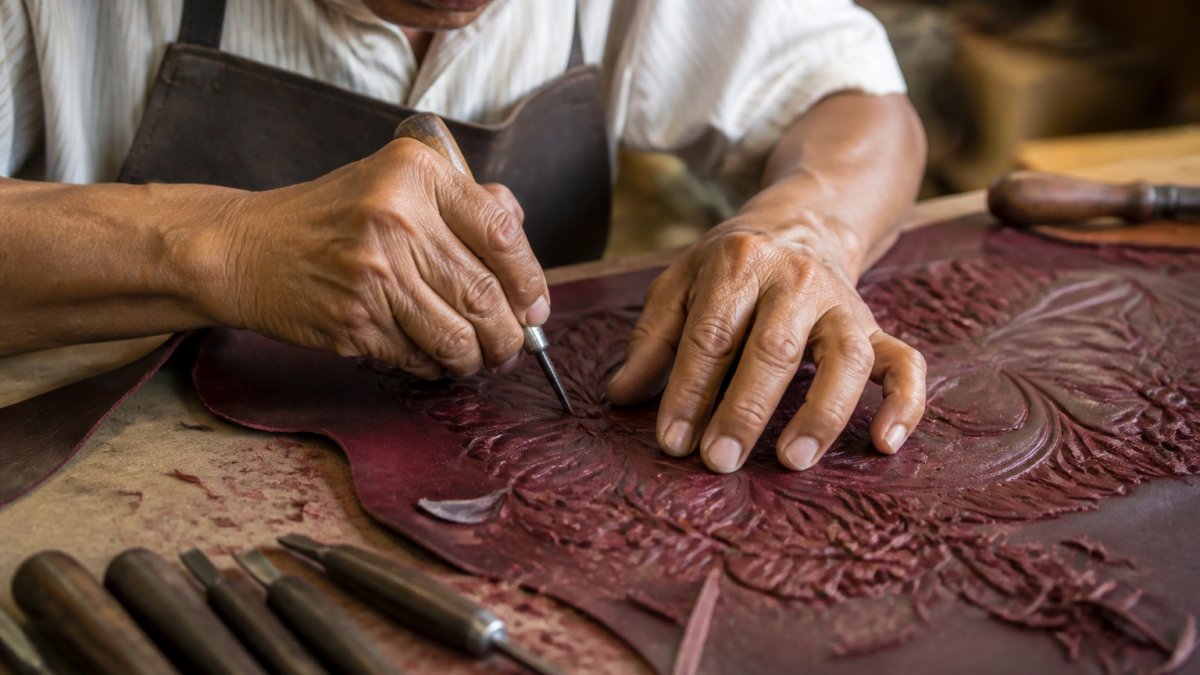
León, Guanajuato, stands as Mexico's leather capital and the epicenter of the country's leather goods production. This region has been the heart of Mexican leather craftsmanship for centuries, with tanneries and artisan workshops concentrated in and around the city. The water quality, local expertise, and established supply chains make León the natural hub for leather production. When a Mexican leather brand cites León as its origin, it's tapping into generations of accumulated knowledge and infrastructure.
The production methods used in Mexican leather goods vary by region and artisan, but hand-tooling and hand-chiseling represent the most labor-intensive and prized techniques. Hand-tooled leather involves using specialized tools to carve patterns into the leather surface, creating texture and visual depth. Hand-chiseling, used in pieces like our Colibrí, Hand-Tooled Floral Leather Satchel in Burgundy, requires artisans to work each pattern individually, making every piece unique.

Tanning processes in Mexican leather regions produce leather that develops a rich patina over time, deepening in color and gaining character, qualities that conscious consumers specifically seek.
Large Handcrafted Leather Tote — Mexican Artisan | 17" Wide →
Hand-stitching is another hallmark of authentic Mexican leather goods. Hand-stitching shows variation and allows artisans to reinforce high-stress areas with additional passes.
How to Care for Handcrafted Leather Goods
Proper care extends the life of handcrafted leather goods and enhances their natural aging process. Genuine leather from a Mexican leather brand improves with appropriate maintenance, developing a beautiful patina that synthetic materials cannot achieve.
Clean your leather accessories regularly with a soft, dry cloth to remove dust and surface dirt. For deeper cleaning, use a slightly damp cloth with mild soap, then dry thoroughly. Avoid soaking leather or using excessive water, as this can damage the material and cause staining.
Condition leather every few months, especially if you live in a dry climate. Leather conditioners replenish moisture and prevent cracking. Use products specifically designed for leather. A small amount of conditioner goes a long way; apply it sparingly and buff away excess with a clean cloth.
Store your leather goods in a cool, dry place away from direct sunlight. Prolonged sun exposure fades color and can dry out leather. If you're storing a bag for an extended period, stuff it loosely with tissue paper to help it maintain its shape. Avoid plastic storage containers, which trap moisture; instead use breathable cloth bags or boxes.
Buying Authentic Mexican Leather: What to Know
Purchasing authentic Mexican leather goods requires awareness of sourcing, pricing, and seller credibility. The market includes genuine artisan pieces, factory-made imitations labeled as "Mexican leather," and everything in between.
Pricing offers one clue to authenticity. Genuine handcrafted Mexican leather goods require significant labor and materials. A hand-tooled leather bag takes hours to create, and authentic pieces reflect this investment. If a Mexican leather brand's prices seem unusually low compared to competitors, investigate the sourcing claims.
Research the brand's transparency about production. Reputable Mexican leather brands provide specific information: Which region is the leather from? Which artisan or workshop created the piece? How is the leather finished? Popular Mexican leather brands answer these questions directly on their product pages.
Check for third-party verification when available. Some Mexican leather brands work with fair-trade organizations or artisan cooperatives that verify ethical production and fair compensation. According to Fair Trade USA's standards for artisan goods, certified producers meet specific criteria for worker treatment and community benefit.
Shipping and return policies matter when buying from a Mexican leather brand. Reputable sellers offer reasonable return windows and clear policies about who covers return shipping. If a brand makes it difficult to return items or charges excessive restocking fees, that's a red flag.
Purchase directly from the brand when possible, rather than through third-party marketplaces. This reduces the risk of counterfeits and ensures you're supporting the actual artisans.
| Factor | What to Look For | Red Flag |
|---|---|---|
| Sourcing | Specific region named (León, etc.) | Vague "Mexican leather" claims |
| Price | Reflects labor-intensive handwork | Suspiciously low compared to peers |
| Transparency | Production details provided | Minimal product information |
| Materials | Genuine leather, natural finishes | Synthetic materials or chemical odors |
| Stitching | Hand-stitched with visible variations | Machine-perfect uniformity |
| Seller | Direct from brand website | Unknown third-party resellers |
Conclusion
Choosing a popular Mexican leather brand means investing in pieces that combine cultural heritage with genuine craftsmanship. The leather goods market is vast, but authentic Mexican leather brands distinguish themselves through transparent sourcing, hand-finished techniques, and materials that age beautifully over years of use.
At Lunas Artisanal Shop, we bring this tradition directly to your wardrobe with 100% genuine leather handbags and accessories handcrafted with passion. From our Large Handcrafted Leather Tote to intricately hand-tooled satchels like the Colibrí, every piece reflects the artistry of Mexican leather traditions. Shop your story today and discover accessories that blend timeless quality with cultural significance.
Frequently Asked Questions
What makes a Mexican leather brand authentic and worth buying?
Authentic Mexican leather brands use 100% genuine leather sourced from traditional tanning regions like León, Guanajuato, and employ hand-chiseling, hand-tooling, and hand-stitching techniques passed down through generations. Look for brands that specify their leather origin, display visible hand-work like carved floral patterns or scale textures, and provide transparent information about their artisan production. Genuine pieces feature natural variations in color and texture, reinforced stitching, and quality hardware, hallmarks of true craftsmanship rather than mass production.
How can you tell if a leather bag is genuine versus counterfeit?
Genuine leather bags have consistent, natural grain patterns with slight variations across the surface, never perfectly uniform. Feel the leather: authentic pieces are supple and warm to the touch, not plastic-like. Check for hand-stitching that may be slightly irregular, perfectly uniform stitching suggests machine work. Inspect seams, edges, and hardware for quality and finish. Genuine Mexican leather goods often show maker's marks, hand-carved details, or visible artisan signatures. Request product details including leather origin and tanning method; reputable brands provide this information and can verify authenticity through documentation.
What's the difference between Mexican leather boots and other handcrafted leather footwear?
Mexican leather boots are rooted in centuries of vaquero and indigenous traditions, emphasizing hand-tooled decorative elements and natural leather finishes. They often feature hand-carved designs, intricate stitching patterns, and use leather that develops character over time. These pieces blend functionality with visual heritage.
How should I care for handcrafted leather goods to ensure they last?
Clean handcrafted leather regularly with a soft, dry cloth to remove dust. For deeper cleaning, use a leather-specific cleaner applied sparingly, following the grain. Condition your leather every 3-6 months with quality leather conditioner to maintain suppleness and prevent cracking. Store items in a cool, dry place away from direct sunlight, which can fade natural colors. Avoid excessive moisture and heat. For hand-chiseled or hand-tooled pieces, gently brush carved areas to preserve detail. With proper care, genuine leather goods develop a rich patina and become more beautiful over time.