

Table of Contents
- How Long Do Genuine Leather Handbags Typically Last
- Full-Grain vs. Genuine Leather Durability: What You Need to Know
- How to Care for Genuine Leather Handbags to Maximize Lifespan
- Benefits of Handcrafted Leather Purses for Long-Term Durability
- Factors That Affect How Long Your Leather Handbag Lasts
- Recognizing Signs of Wear and When to Repair vs. Replace
- Cost-Per-Wear: Why Quality Genuine Leather Is an Investment
- Frequently Asked Questions
Last Updated: September 25, 2026
How Long Do Genuine Leather Handbags Typically Last
A genuine leather handbag can last five to fifteen years or longer, depending on how you use, care for, and store it. Understanding the factors that influence durability matters far more than chasing a specific number.
The difference between a bag that fails in two years and one that becomes more beautiful with age isn't always about leather grade, it's about knowing what to watch for and taking action before small problems become irreversible damage.
Genuine leather handbags last well if treated properly. Below, we'll explain what determines longevity, how leather grades compare, and the maintenance steps that make a difference.
Full-Grain vs. Genuine Leather Durability: What You Need to Know
Leather grades differ in how much of the hide's natural structure remains intact. The grain structure gives leather its strength and ability to develop character over time.
Full-Grain Leather: The Longest-Lasting Option
Full-grain leather includes the entire hide surface with all natural markings and variations. Because nothing is sanded away, the leather retains full tensile strength and develops a rich patina as it ages.
A full-grain genuine leather handbag typically lasts fifteen to twenty years with regular use. Surface wear, patina, and scratches enhance the aesthetic. Full-grain leather becomes softer and more supple over time, which is why vintage full-grain bags are highly sought after.
Full-grain leather commands premium prices because tanneries can't hide imperfections. Manufacturers must carefully select hides and work around natural variations. Lunas Artisanal Shop's handcrafted pieces feature genuine leather from Guanajuato.

Top-Grain Leather: A Middle Ground
Top-grain leather has the outermost layer sanded and treated for uniform appearance. This removes imperfections but also reduces some natural grain structure and durability.
A top-grain genuine leather handbag typically lasts eight to twelve years with consistent care. It resists staining better than full-grain but won't develop the same rich patina. Minor scratches blend into the finished surface.
Genuine Leather: Understanding the Grade
"Genuine leather" is a broad category including full-grain, top-grain, and lower grades made from bonded scraps. The term doesn't guarantee quality. Genuine leather can last three to ten years depending on composition and tanning process.
Genuine leather is real leather, but not all genuine leather is equal. A genuine leather handbag made from bonded scraps fails faster than one made from top-grain or full-grain hide.
How to Care for Genuine Leather Handbags to Maximize Lifespan
Most leather handbags fail prematurely due to neglect or wrong products. Proper care is straightforward and doesn't require expensive treatments.
Regular Cleaning and Conditioning
Genuine leather handbags need moisture balance to stay supple. Without conditioning, leather dries out and cracks. Excess moisture promotes mold.
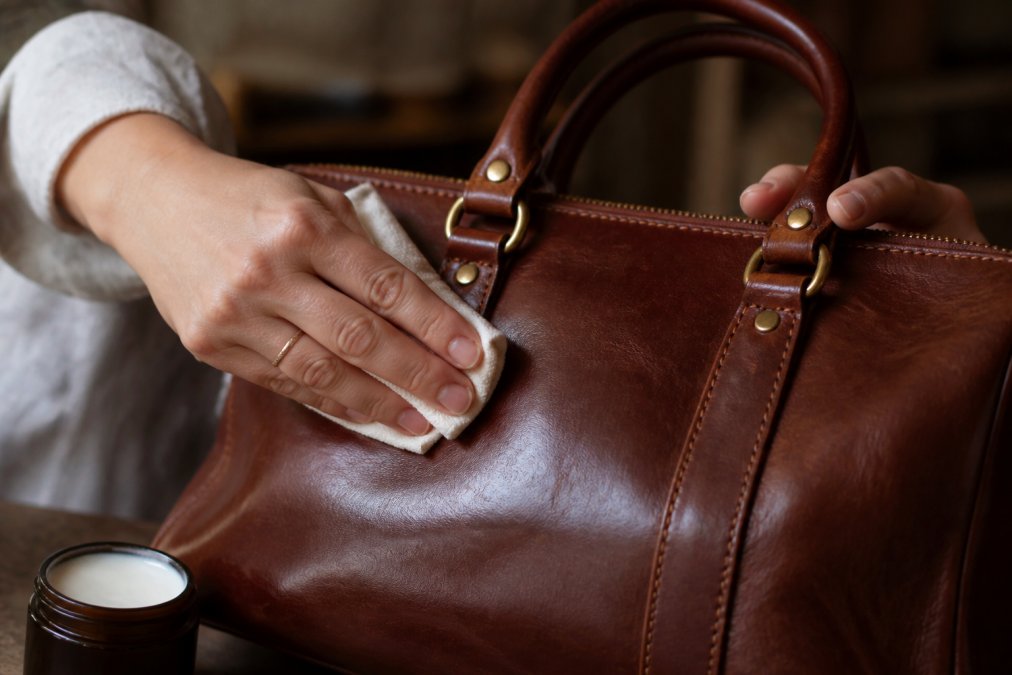
Clean your genuine leather handbag monthly with a soft, damp cloth and mild soap, then dry immediately. This removes dust and debris that scratch leather over time.
Condition every three to six months using a conditioner designed for your leather's tanning type. Apply sparingly with a soft cloth in circular motions. Excess conditioner leaves residue and darkens leather unevenly.
Storage and Environmental Protection
Storage conditions determine how quickly leather ages. UV exposure fades color, heat causes cracking, and humidity promotes mold. Store in a cool, dry, dark place.
Store your genuine leather handbag in a dust bag or pillowcase, not plastic. Keep away from direct sunlight, heating vents, and humid areas. In humid climates, use silica gel packets to absorb excess moisture.
Never store a leather handbag wet or damp. If soaked, stuff loosely with newspaper to maintain shape, changing it every few hours as it air dries.
Hardware and Stitching Maintenance
Hardware durability directly impacts how long your genuine leather handbag lasts. Tarnished hardware transfers discoloration, and broken hardware may force you to retire the bag.
Check hardware monthly for corrosion or loosening. Gold-tone hardware resists tarnishing better than other finishes. Buff gently with a soft cloth. Deep corrosion may require professional replacement.
Inspect stitching regularly, especially at handle attachments and seams. Loose stitches allow structure to fail. Early repair is far cheaper than waiting until stitching completely separates.
Benefits of Handcrafted Leather Purses for Long-Term Durability
Handcrafted leather purses offer durability advantages that mass-produced bags simply don't match. The difference comes down to material selection, construction methods, and attention to detail.
Artisans handcrafting genuine leather handbags select hides for character and quality, inspecting for thickness consistency and grain structure. This selectivity means handcrafted bags start with superior material.
Escama — Chiseled Scale Genuine Leather →
Hand-stitching creates stronger seams than machine stitching because artisans adjust tension based on leather thickness and stress. They reinforce stress points like handle attachments with additional stitching that machines skip.
Handcrafted leather purses use better hardware because artisans source components individually. They choose hardware matching leather quality and aesthetic for better corrosion resistance.
Lunas Artisanal Shop's handcrafted pieces are constructed in León, Guanajuato by experienced artisans. The Valeri two-tone handbag combines chocolate brown and rose gold leather with reinforced handles and secure zipper closure, details that contribute directly to longevity.

Factors That Affect How Long Your Leather Handbag Lasts
Several variables determine whether your genuine leather handbag becomes a cherished keepsake or a regrettable purchase. Understanding these factors helps you make smarter choices about which bags to invest in and how to use them.
Daily Usage Frequency and Wear Patterns
Daily use creates consistent wear patterns that can be beneficial if wear distributes evenly. Uneven wear, where one area bears all stress, causes localized failure.
How you carry a genuine leather handbag matters. Overstuffing stretches leather and stresses seams. Carrying on one shoulder repeatedly thins and creases leather. Rotating carry methods and keeping weight reasonable extends lifespan.
Climate and Environmental Conditions
Leather behaves differently in different climates. Hot, dry climates cause brittleness. Cold, wet climates promote mold. Moderate, stable climates are ideal.
In dry climates, condition every two to three months. In humid climates, store with moisture-absorbing materials and ensure air circulation. Extreme temperature swings stress leather and cause cracking.
Hide Quality and Tanning Process
The tanning process affects how leather ages. Vegetable-tanned leather develops beautiful patina and lasts long but requires more maintenance. Chrome-tanned leather resists staining better but doesn't age as gracefully.
Hide quality determines thickness and grain variation. Premium hides have consistent thickness for even wear. Lower-grade hides have thin spots that wear through faster and thick spots that crack easily.
Recognizing Signs of Wear and When to Repair vs. Replace
Knowing when to repair and when to replace prevents you from spending money on unsalvageable bags or discarding bags that could be restored.
Surface Abrasion and Patina Development
Surface scratches and scuffs are normal. On full-grain leather, they blend into patina. On top-grain leather, they're more visible but usually superficial.
True surface abrasion shows leather underneath a protective finish. Small, isolated abrasion is cosmetic. Large worn areas lose protective layer and deteriorate faster. This is repairable if caught early.
Patina is darkening and color shifts from oxidation and body oils, desirable and indicates good aging. Damage is localized deterioration, staining, or structural failure.
Stitching Integrity and Hardware Durability
Broken stitching is repairable if caught early. Loose threads are minor fixes. Separated seams are more expensive but salvageable if surrounding leather is intact.
If stitching breaks repeatedly in the same area, the problem may be structural, thin leather or design stress. Repair helps temporarily but the problem will recur.
Broken or corroded hardware is usually replaceable.
Cost-Per-Wear: Why Quality Genuine Leather Is an Investment
Understanding cost-per-wear changes how you evaluate leather handbag purchases. A genuine leather handbag that costs more upfront but lasts fifteen years is far cheaper per use than a cheaper bag that fails in three years.
Frequently Asked Questions
Does 100% genuine leather mean real leather?
Yes, 100% genuine leather means the entire bag is made from real animal hide. However, 'genuine leather' is a broad category that includes full-grain, top-grain, and split leather. The key difference is in hide quality and tanning process.
What factors influence the lifespan of a genuine leather handbag?
Several factors determine how long your genuine leather handbag lasts: hide quality (full-grain lasts longest), tanning method (vegetable-tanned ages beautifully; chrome-tanned offers different durability), daily usage frequency, storage conditions, and climate exposure. UV exposure and moisture imbalance accelerate deterioration. Proper maintenance through regular conditioning and protective storage can add years to your bag's lifespan.
How does handcrafted leather compare to mass-produced alternatives?
Handcrafted genuine leather purses typically outlast mass-produced bags by several years. Artisan-made bags feature superior hide selection, hand-stitched seams with greater tensile strength, and careful attention to grain structure. Mass-produced bags often use lower-grade leather, machine stitching prone to failure, and cheaper hardware. A handcrafted bag may cost more upfront, but the cost-per-wear improves significantly over 10+ years of use.
Can genuine leather crack or peel over time?
Genuine leather can show surface wear and develop patina, but cracking and peeling typically indicate poor hide quality, improper tanning, or severe neglect. Full-grain and top-grain leather develop natural patina and age gracefully. Bonded leather (lower-grade genuine leather) is more prone to peeling because it's made from leather scraps glued together. Proper moisture balance through regular conditioning prevents cracking. Climate-specific storage guides help, avoid extreme heat and humidity.