

Table of Contents
- What Makes Byproduct Leather Bags Different
- Byproduct Leather vs. Synthetic Leather: A Real Comparison
- Durability of Genuine Leather Bags Over Time
- The Environmental Case for Byproduct Leather
- How to Care for Handmade Leather Bags
- Cost-Per-Wear: Why Byproduct Leather Represents Real Value
- Artisanal Craftsmanship and Quality You Can See
- Conclusion
- Frequently Asked Questions
Last Updated: September 24, 2026
What Makes Byproduct Leather Bags Different
Byproduct leather bags represent a fundamentally different approach to craftsmanship than synthetic alternatives. When you buy a byproduct leather bag, you're purchasing material that would otherwise become waste, leather derived from the meat and dairy industries transformed into durable, beautiful accessories. It's a deliberate choice rooted in circular economy principles.
The distinction matters because byproduct leather uses hides, roughly 30 million cattle hides per year in the U.S., that exist independent of fashion demand. Zero additional animals are raised for leather alone. This differs fundamentally from virgin leather sourcing, where hides justify additional agricultural land, water, and feed crop investment.
Byproduct leather offers natural breathability, a developing patina that improves with age, and repairability, properties synthetic materials cannot replicate. The collagen fiber structure strengthens under stress and moisture, the opposite of how synthetic polymers degrade. At Lunas Artisanal Shop, we offer pieces crafted from genuine leather, creating accessories that tell a story through their wear patterns.
Byproduct leather differs from virgin leather in transparency and impact. You're not funding additional animal agriculture; the leather exists as a consequence of food production that happens regardless of fashion demand. The supply chain is direct: meat processing facility → tannery → artisan → your hands. No additional resource extraction required.
A byproduct leather bag carries the same durability and repairability as any genuine leather, but with the environmental legitimacy of utilizing existing waste streams rather than creating new demand for raw materials. Byproduct sourcing is the most defensible choice for environmentally conscious buyers.
Byproduct Leather vs. Synthetic Leather: A Real Comparison
Synthetic leather offers low upfront cost but limited advantages beyond that.
| Characteristic | Byproduct Leather | Synthetic Leather |
|---|---|---|
| Breathability | Naturally breathable, allows moisture escape | Traps moisture, can feel clammy |
| Durability | Improves with age, develops character | Degrades over 2-3 years, peeling common |
| Repairability | Can be conditioned, repaired, restored | Cannot be repaired; replacement only |
| Environmental Impact | Circular economy, biodegradable | Plastic-based, persistent waste |
| Cost-Per-Wear | Decreases over years of use | Increases as replacement cycles shorten |
| Aesthetic Development | Patina deepens, unique to each bag | Static appearance, uniform deterioration |
Synthetic leather peels within two to three years with no repair option. Byproduct leather develops an attractive patina over time, creases deepen, material softens, scratches become part of the bag's narrative.
Synthetic leather production relies on petroleum derivatives generating persistent plastic waste. Byproduct leather is biodegradable, returning to the earth after a decade or more rather than remaining in landfills for centuries.
Durability of Genuine Leather Bags Over Time
A well-maintained byproduct leather bag remains functionally sound for 10-15 years, while most synthetic alternatives fail between year two and year four.
Leather fibers strengthen with use rather than degrading. Moisture that would delaminate synthetic materials actually conditions genuine leather, making it more supple and resilient.
Our Chiseled Tote Bag with Inner Pouch, crafted from 100% high-quality vegan leather with heavy-duty magnetic closure, demonstrates how quality materials support functional longevity. The white lace-up side stitching with gold grommet hardware remains intact through years of daily use.

A five-year-old genuine leather bag with visible creasing and patina is becoming more valuable and beautiful, not deteriorating. That same synthetic bag would be peeling and falling apart.
The Environmental Case for Byproduct Leather
The environmental argument for byproduct leather addresses the fundamental waste problem in food production while avoiding the resource-intensive cycle of synthetic manufacturing.
Byproduct leather sourcing creates zero additional environmental demand. Using hides from meat and dairy production means waste reduction without requiring new agricultural land, water, or feed crops, a circular economy approach that contrasts sharply with petrochemical extraction required for synthetics.
Synthetic leather tanning involves solvents, plasticizers, and polymers requiring energy-intensive processing. Our Tangamandapio Minimalist Rectangular Bag is crafted from genuine vegetable-tanned leather.

The end-of-life comparison is equally significant. A synthetic leather bag destined for landfill will persist for centuries, shedding microplastics into soil and water. Byproduct leather decomposes naturally, returning its material components to the ecosystem. For consumers concerned about their environmental impact, this difference justifies the investment in genuine leather.
How to Care for Handmade Leather Bags
Proper care determines whether your byproduct leather bag reaches its full lifespan potential. The care required is minimal but consistency matters significantly.
Conditioning for Longevity
Apply a leather conditioner every 6-12 months to maintain suppleness and prevent cracking. Leather loses moisture over time; conditioning rehydrates the fibers, restoring flexibility and strengthening resistance to wear.
Conditioning is the single most impactful maintenance practice. A well-conditioned bag shows measurably less surface cracking and maintains structural integrity. Over a 12-year lifespan, conditioning costs roughly $15-30, negligible compared to replacement cycles for synthetics.
Hand-Tooled Vegan Leather Floral Tote →
Immediate Spill Response
Blot spills immediately with a soft cloth and allow the bag to air dry naturally. Never use heat sources or direct sunlight, which accelerate drying faster than the leather's natural rate and can cause uneven shrinkage or fading.
Rapid drying creates internal stress in the leather's fiber structure. Slow, natural drying prevents micro-cracking that accumulates over time.
Scuff and Minor Damage Management
For scuffs and minor damage, leather's self-healing properties often address the problem naturally. Light scratches disappear as the material flexes and the fibers reset. Deeper marks become part of the bag's character. Unlike synthetic materials that crack and peel irreversibly, genuine leather develops a more attractive appearance through visible wear.
For deeper gouges or cuts, genuine leather can be repaired in ways synthetic materials cannot. A professional leather repair specialist can sand, re-dye, and re-finish damaged areas, restoring both function and appearance. This repairability is a primary reason byproduct leather bags routinely reach 10+ year lifespans while synthetic alternatives cannot be salvaged once the surface begins peeling. Repair costs typically range from $25-75 depending on damage extent, far less than replacing the bag entirely.
Storage and Environmental Control
Store your bag in a cool, dry location away from direct sunlight. Prolonged UV exposure fades color, though this process takes years and is purely aesthetic. More importantly, excessive heat and humidity accelerate the tanning process's natural degradation. Leather stored in damp conditions can develop mold; leather stored in very dry conditions can become brittle. Ideal storage maintains 40-60% relative humidity and temperatures below 75°F.
Stuff the bag with acid-free tissue to maintain shape during storage. Acid-containing materials (newspaper, regular tissue) can transfer tannins and cause discoloration over time. This practice prevents the bag from developing permanent creases that compromise its structure.
The Longevity Connection
These practices, conditioning every 6-12 months, immediate spill response, professional repair when needed, and proper storage, are the difference between a 5-year byproduct leather bag and a 12-15 year one. A bag that receives consistent conditioning and immediate care will show minimal structural degradation over a decade. A bag neglected for years may develop irreversible cracking or mold damage. The investment in maintenance is minimal; the return in extended lifespan is substantial.
Cost-Per-Wear: Why Byproduct Leather Represents Real Value
The economics of byproduct leather bags reveal why they represent superior long-term value compared to cheaper synthetic alternatives. A $70 bag that lasts 12 years costs approximately $0.16 per day of use. A $40 synthetic bag that fails after three years costs approximately $0.04 per day, but only until it deteriorates, at which point you're forced to repurchase.
This calculation shifts dramatically when you factor in replacement cycles. A consumer who buys synthetic bags every three years spends roughly $130 over the same 12-year period that a single quality bag costs $70. The synthetic option requires four separate purchases, four shipping cycles, and four disposal events.
Artisanal Craftsmanship and Quality You Can See
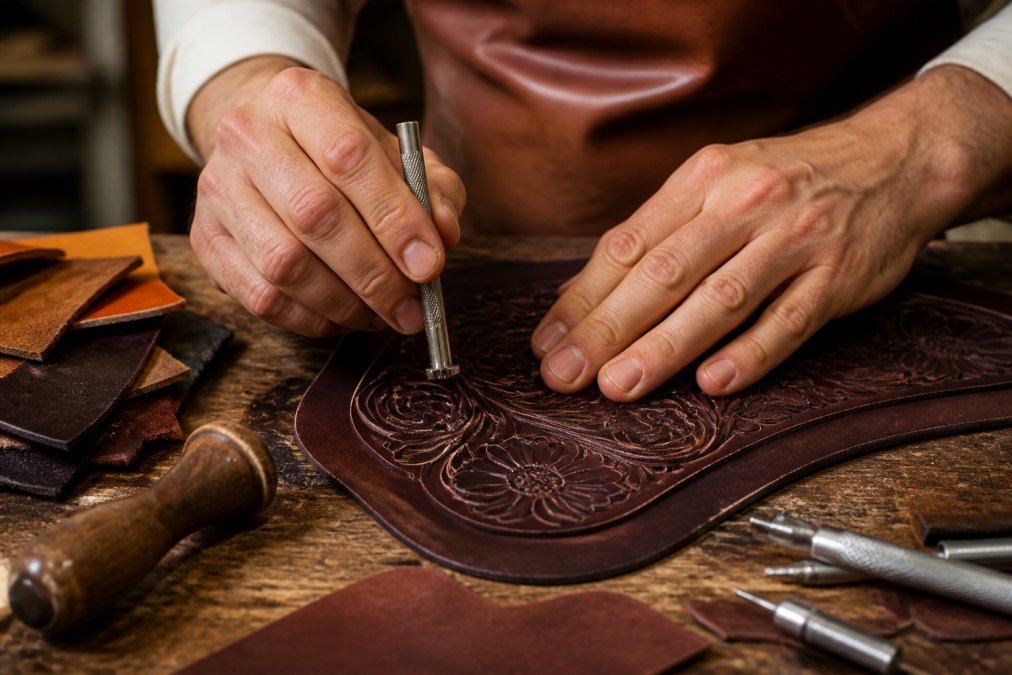
Handcrafted leather bags exist in a different category entirely from mass-produced alternatives. The difference isn't subtle or subjective, it's visible in every detail and tangible in how the bag performs.
Conclusion
The case for byproduct leather bags rests on three converging truths: they last longer, they cost less over time, and they represent a genuinely sustainable choice. When you choose a byproduct leather bag, you're rejecting the false economy of synthetic alternatives and embracing material that improves with age rather than degrading predictably.
Frequently Asked Questions
Is leather really a byproduct of the food industry?
Yes. Byproduct leather comes from cattle hides that would otherwise be discarded after meat processing. Rather than sending this material to landfills, tanneries transform it into durable leather through vegetable tanning or other methods. This approach reduces waste and makes use of a resource that already exists in the supply chain, making byproduct leather an efficient choice for bags and accessories.
How does byproduct leather compare to synthetic vegan alternatives?
Byproduct leather bags develop a natural patina over years of use, becoming more beautiful with age. Synthetic alternatives typically degrade faster, often peeling or cracking within 2-3 years. Genuine leather breathes, resists moisture better, and can be reconditioned with proper care. Synthetic materials are petroleum-based, requiring more energy to produce and ending up in landfills where they persist for decades. Byproduct leather is biodegradable and supports waste reduction.
How long does a high-quality byproduct leather bag typically last?
A well-maintained byproduct leather bag can last 10-20+ years. The Tangamandapio Minimalist Rectangular Bag, crafted from genuine vegetable-tanned leather with a fire-test authenticity guarantee, is designed for this kind of longevity. Quality depends on material, construction, and care. Handcrafted bags from artisans in Guanajuato use techniques that prioritize durability, making them investment pieces rather than seasonal accessories.
What should I look for to ensure my leather bag is high quality?
Check for genuine leather certification and fire-test guarantees. Examine stitching, handcrafted bags feature consistent, tight stitching without loose threads. Look at hardware; quality bags use heavy-duty metal clasps and grommets, not plastic. Feel the leather's weight and flexibility; genuine leather has substance and moves naturally. Ask about the tanning process and origin. Bags handcrafted by Mexican artisans using vegetable-tanned leather from Guanajuato offer transparency and proven craftsmanship.