

Table of Contents
- Understanding the Ethical Impact of Artisan Fashion
- How Artisan Production Creates Economic Stability for Makers
- Fair Wages and Living Standards in Artisan Communities
- Preserving Cultural Heritage Through Handcrafted Production
- Environmental Benefits of Artisanal Craftsmanship
- How to Identify Ethical Fashion Brands and Verify Supply Chain Transparency
- Benefits of Artisan-Made Clothing and Why Quality Matters
- Conclusion: Making Your Purchase Count
Last Updated: August 16, 2026
Understanding the Ethical Impact of Artisan Fashion
The ethical impact of artisan fashion extends far beyond aesthetics. When you purchase a handcrafted leather bag, you're participating in a system that prioritizes human dignity, cultural preservation, and environmental stewardship over profit extraction. Artisan fashion operates on fundamentally different principles: each piece is made by skilled hands, supply chains are traceable because they're short, and the maker's name matters as much as the brand.
At Lunas Artisanal Shop, we've seen firsthand how this model transforms both maker and wearer. When you choose handcrafted leather goods celebrating cultural heritage, like pieces featuring traditional Frida Kahlo motifs, you're supporting artisans who depend on fair compensation and stable income. The ethical impact of artisan fashion is measurable in working conditions, verifiable in supply chains, and visible in the durability of what you own.

How Artisan Production Creates Economic Stability for Makers
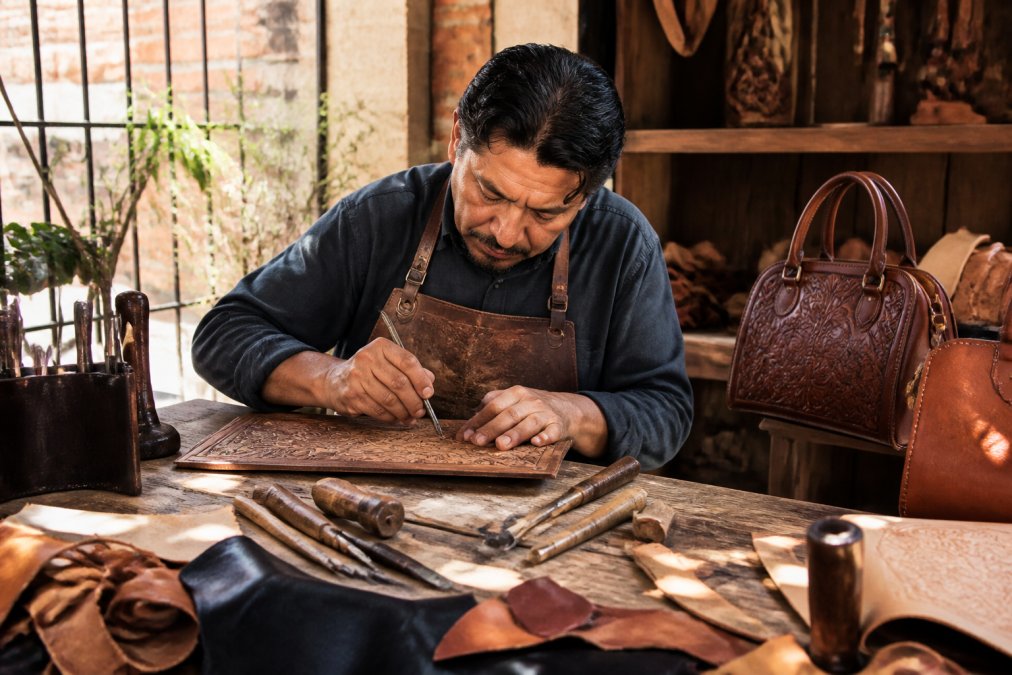
Economic stability in artisan communities comes from consistent, predictable income that allows makers to plan, invest, and build security. When you buy from an artisan directly, the maker receives a substantial portion of the sale price immediately, not months later through intermediaries.
This direct relationship fundamentally changes the maker's financial reality. Instead of competing on price with factories, artisans compete on skill, uniqueness, and quality. A leather worker spending three hours hand-tooling a single bag can't match factory pricing, but they don't need to. When customers understand the value of handcrafted work, they pay accordingly, and that payment goes directly to the creator.
Consistent income allows artisans to move beyond survival mode. They can invest in better tools, higher-quality materials, and skill development. They can plan for their families' education and save for emergencies. A bag that sells for $70 at Lunas Artisanal Shop, like our Hand-Painted Vegan Leather Tote Bag, ensures that a significant portion reaches the artisan who created it. Compare this to mass-market alternatives where the maker might see less than 5% of the retail price.

Economic empowerment through artisan work creates multiplier effects. Artisans who earn fair wages spend money locally, supporting other small businesses, sending children to school, and becoming community leaders.
Fair Wages and Living Standards in Artisan Communities
Fair wages begin with a simple principle: the person making the product should earn enough to live with dignity. This means covering basic needs, food, shelter, healthcare, and education, plus having margin for savings and emergencies.
Ethical artisan brands address this by researching actual living costs in the communities where they source, then setting wages accordingly. Living standards improve measurably when artisans move from informal, exploitative arrangements to formal partnerships with ethical buyers. Consistent work means predictable income; higher hourly rates mean artisans can afford better nutrition, healthcare, and housing. Children stay in school instead of working.
Fair wages also enable artisans to refuse exploitative conditions. When you have options and alternatives, you can demand better working conditions, safer environments, and reasonable hours. Fair compensation is foundational to all other protections.
Preserving Cultural Heritage Through Handcrafted Production
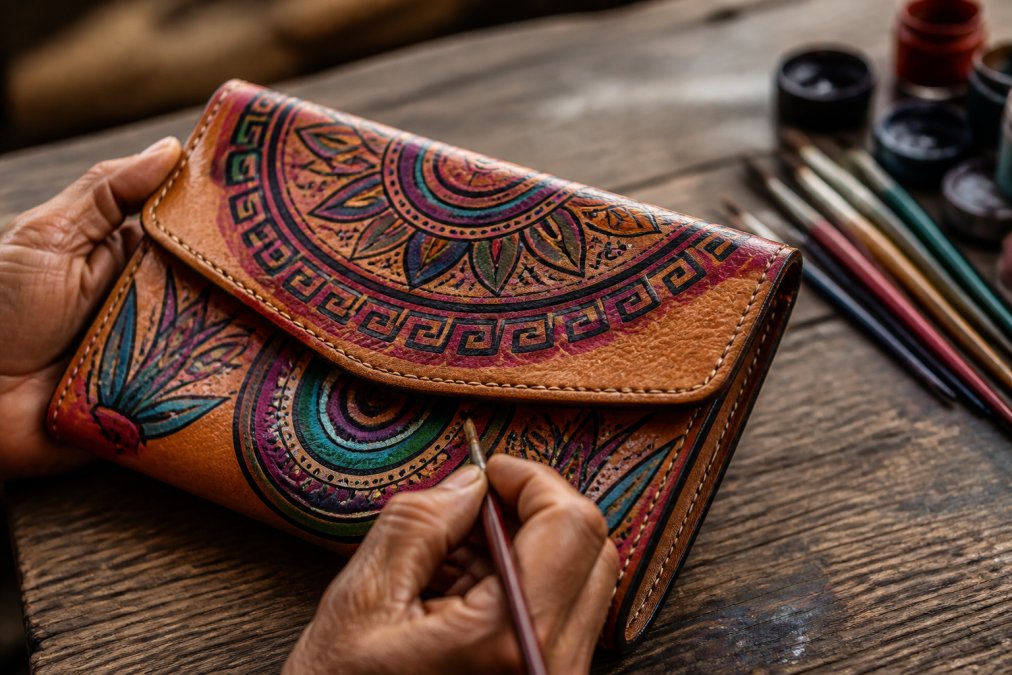
Traditional techniques die when they're no longer economically viable. Artisan fashion creates economic incentives for preservation. When handcrafted pieces command higher prices because of their cultural authenticity and quality, learning traditional techniques becomes a viable career. Elders become valuable teachers, and cultural knowledge becomes an asset.
The connection between ethical artisan fashion and cultural preservation runs deeper than economics. It's about dignity and recognition. When your community's traditional patterns are celebrated on globally-distributed products, cultural identity strengthens. This matters particularly in communities with histories of colonization or cultural suppression.
Handcrafted production also resists cultural homogenization. Mass fashion produces identical pieces worn by millions. Artisan fashion produces variations, each piece slightly different because human hands made it. Supporting cultural heritage through purchasing decisions is straightforward: seek out pieces that explicitly celebrate cultural traditions, verify that the artisans creating them are from those communities, and understand the stories behind the designs.
Environmental Benefits of Artisanal Craftsmanship
Artisanal production's environmental advantage isn't primarily about being "green," it's about being fundamentally different from industrial systems. An artisan producing 5-10 bags weekly uses resources proportionally and often with greater efficiency than a factory producing 10,000 identical bags daily.
The durability advantage is crucial. A mass-produced bag designed for one season generates waste quickly. An artisan-made bag built to last decades absorbs its environmental cost over years of use. This longevity principle is radically different from fashion's planned obsolescence model.
Material choices in artisan production often reflect environmental awareness. Many artisans source high-quality, durable materials because their reputation depends on product longevity. Vegan leather alternatives are increasingly popular among ethical artisans because they offer durability without animal agriculture's environmental footprint.

The scale of artisan production means reduced textile waste. Artisans work with smaller quantities, often repurposing scraps creatively. Transportation emissions also decrease in direct-to-maker models, as bags travel shorter distances than those moving through multiple distribution centers.
How to Identify Ethical Fashion Brands and Verify Supply Chain Transparency
Identifying truly ethical fashion brands requires moving beyond marketing claims to actual verification. Start with supply chain transparency. Ethical brands can tell you where products are made and who makes them. They often feature maker names, photos, or stories. If a brand is vague about production details, that's a red flag.
Look for specific claims backed by evidence. "Fair trade certified" means something verifiable. "Handmade" should be demonstrable. "Sustainable materials" should be specified. Vague language like "ethically produced" without details is marketing, not commitment.
Direct-to-maker relationships are a strong indicator. Brands that work with artisans directly typically have better oversight of conditions and compensation. Pricing tells a story: if an artisan-made leather bag costs less than $40, something's wrong. Lunas Artisanal Shop's pieces, like the Hand-Tooled Vegan Leather Hummingbird Tote Bag at $50, reflect the actual cost of quality materials and skilled labor.
Check for third-party verification. Some ethical brands pursue formal certifications from organizations that audit production practices. Ask the brand directly about their practices. Ethical companies welcome questions about compensation, materials, and working conditions.
| Verification Method | What to Look For | Red Flags |
|---|---|---|
| Supply chain transparency | Named locations, maker information, sourcing details | Vague production origins, no maker attribution |
| Pricing | $50+ for handcrafted pieces, materials specified | Suspiciously low prices, no cost breakdown |
| Material sourcing | Specific material origins, quality standards | Generic "sustainable" claims without details |
| Working conditions | Described wages, hours, workplace safety | No information about maker compensation |
| Direct relationships | Brand can name artisans, share stories | Multiple unnamed intermediaries |
| Third-party verification | Certifications, audits, independent review | No external verification available |
Benefits of Artisan-Made Clothing and Why Quality Matters
Artisan-made pieces deliver benefits that mass production cannot. The first is durability. A hand-stitched seam created with attention and care lasts longer than one made by a machine optimizing for speed. A leather bag hand-tooled by a craftsperson will age beautifully, developing character and patina.
Quality also means functionality that actually works. An artisan designing a bag considers how it will be used, where stress points occur, and how weight distributes. This iterative improvement creates products that simply function better.
There's also the aesthetic benefit of uniqueness. Each handcrafted piece carries the individual maker's style and expression. Two supposedly identical artisan bags will have subtle differences in hand-painted designs, tooling patterns, and color combinations. You own something genuinely singular.
Wearing artisan-made clothing aligns your consumption with your values. If you care about fair wages, cultural preservation, and environmental responsibility, artisan pieces are a tangible expression of those values. The longevity of artisan pieces also makes them economically rational. A $70 handcrafted bag lasting 10 years costs $7 per year, compared to a $20 mass-produced bag lasting 18 months at $13 per year.
Making your purchase count starts with understanding what you're actually supporting. When you choose handcrafted leather goods from ethical artisan makers, you're enabling fair wages, preserving cultural heritage, and reducing environmental harm. Lunas Artisanal Shop's collection of 100% genuine leather handbags and accessories, handcrafted with passion and featuring traditional designs, demonstrates how artisan fashion can blend cultural authenticity with genuine quality. Shop your story today with pieces that reflect both your style and your values.
Frequently Asked Questions
What defines ethical impact in artisan fashion?
Ethical impact in artisan fashion refers to the measurable benefits created through fair compensation, skill preservation, and sustainable production. When you purchase artisan-made pieces, your money directly supports living wages for craftspeople, protects traditional techniques from disappearing, and reduces the environmental footprint compared to mass-produced fashion. Ethical impact includes economic empowerment of artisan communities, transparency in supply chains, and the ability to trace where your product was made and by whom.
How do I verify that an artisan fashion brand is truly ethical?
Look for brands that provide transparent supply chain information, including maker names, production locations, and wage practices. Ethical fashion brands often share stories about their artisans, offer traceability through product documentation, and clearly explain their sourcing processes. Ask specific questions: Where are items made? Who receives the profits? What materials are used? Authentic artisan brands welcome these questions and provide detailed answers. Check for third-party certifications or partnerships with fair trade organizations that independently verify ethical practices.
What are the main benefits of buying artisan-made clothing?
Artisan-made clothing offers superior quality, durability, and uniqueness compared to mass-produced alternatives. Each piece is crafted with attention to detail using traditional techniques, resulting in items that last years rather than months. You also support economic stability in artisan communities, preserve cultural heritage and traditional skills, and make an environmentally conscious choice by reducing textile waste. Additionally, artisan pieces often carry cultural significance and personal stories, making them meaningful purchases that reflect your values.
How does buying artisan fashion reduce environmental impact?
Artisan production typically involves smaller batches, minimal waste, and sustainable material choices, creating a significantly lower environmental footprint than fast fashion. Handcrafted items are designed for longevity, meaning they're worn longer and replaced less frequently, reducing overall consumption. Many artisan makers use natural or recycled materials and avoid the chemical-heavy processes of industrial manufacturing. By choosing durable, handcrafted pieces over disposable trends, you directly reduce textile waste and support production methods that respect both people and the environment.
This article was written using GrandRanker