

Table of Contents
- What Makes Ethical Handcrafted Leather Fashion Different
- Leather Durability and Longevity: Why Handcrafted Pieces Last
- Environmental Impact: The Case for Sustainable Leather Production
- Benefits of Vegetable Tanned Leather in Ethical Fashion
- How to Identify Ethical Leather Brands You Can Trust
- Supporting Artisan Communities Through Your Purchase
- Caring for Handcrafted Leather: Maintenance and Repair
- Conclusion
Last Updated: August 11, 2026
What Makes Ethical Handcrafted Leather Fashion Different
Ethical handcrafted leather represents a shift from mass production toward intentional, transparent craftsmanship. Unlike factory-made accessories stamped out by the thousands, each piece carries the maker's skill and care. Every stitch and patina mark signals authenticity, genuine artisanal work rather than the illusion of handcraft applied to mass-manufactured goods.
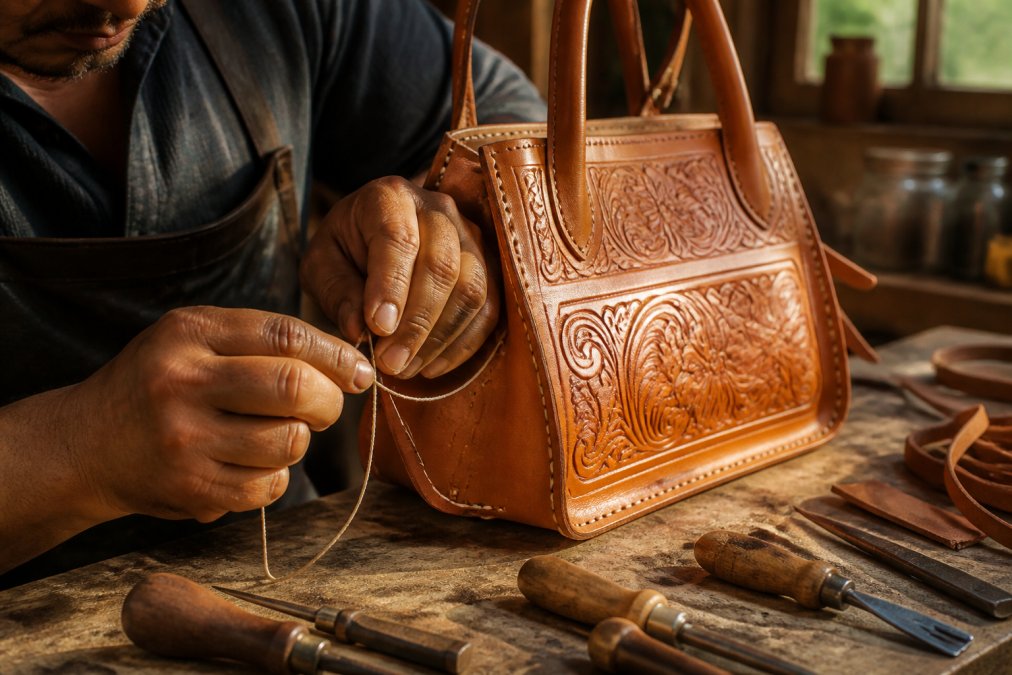
Ethical handcrafted leather commits to three core principles: supply chain transparency, sustainable production methods, and fair compensation for makers. Ethical brands disclose where leather originates, how it's tanned, and who crafted the piece. Conventional mass-market leather obscures these details entirely.
The environmental profile differs significantly. Ethical producers use vegetable-tanned leather or other sustainable tanning methods rather than chrome-tanning, which harms waterways and ecosystems. Artisanal makers also prioritize hide use, utilizing entire hides rather than discarding scraps, reducing waste and respecting the animal's sacrifice.
Durability compounds these benefits. A handcrafted leather piece built to last decades means fewer replacements, less landfill waste, and better value over time. This aligns with slow fashion principles: buying fewer, better items that age gracefully rather than accumulating disposable goods.
Leather Durability and Longevity: Why Handcrafted Pieces Last
Handcrafted leather pieces outlast mass-produced alternatives by years or decades, making them genuinely sustainable despite higher upfront costs. This durability stems from material selection, construction technique, and the maker's investment in quality.
Artisans source premium hides and select the best sections for each project, inspecting for grain consistency, thickness, and character. Factory production prioritizes speed and cost, often using lower-grade hides and cutting patterns that maximize yield rather than durability.
Hand-stitching creates stronger seams than machine-stitching because artisans adjust tension, reinforce stress points, and use saddle-stitching that locks thread through both sides of the material. A single broken stitch in machine-sewn goods can unravel an entire seam; hand-stitched seams fail one stitch at a time, remaining functional far longer.
Ethical handcrafted pieces use solid brass, copper, or stainless steel hardware that develops patina or resists corrosion, while mass-market goods often use cheap plating that flakes within months. The maker's reputation depends on longevity, when an artisan's name is attached to every piece, they build accordingly, knowing dissatisfied customers damage their livelihood.
Real repair capability exists for handcrafted pieces. A skilled artisan can replace worn straps, repair seams, refinish leather, or replace hardware. This repairability extends life indefinitely, transforming a leather accessory into a true heirloom.
Environmental Impact: The Case for Sustainable Leather Production
Leather's environmental reputation is complicated. The material comes from cattle hides, a by-product of the meat industry, which means it uses a resource that would otherwise become waste. However, the tanning process determines whether leather becomes genuinely sustainable or environmentally destructive.
Chrome-tanning, the dominant industrial method, uses hexavalent chromium and heavy chemicals that contaminate water supplies and harm ecosystems. Tanneries in regions without strict environmental enforcement create severe pollution affecting entire watersheds and communities.
Vegetable-tanned leather uses tannins from tree bark, a renewable, biodegradable process posing minimal environmental risk. The tanning takes longer (weeks instead of hours) and costs more, but produces leather that ages beautifully and biodegrades naturally at end-of-life, aligning with circular economy principles.
Sustainable leather production also emphasizes waste reduction. Ethical producers minimize scraps through careful pattern-cutting and repurpose offcuts into smaller goods. Some use vegetable-based dyes rather than synthetic ones, further reducing chemical load.
A single, durable leather piece worn for decades has a lower environmental cost per use than replacing synthetic bags annually. Conscious consumption means minimizing impact through intentional choices about material, production method, and longevity.
Benefits of Vegetable Tanned Leather in Ethical Fashion
Vegetable-tanned leather has become synonymous with ethical handcrafted leather fashion because it delivers environmental, aesthetic, and practical benefits that synthetic alternatives cannot match.
The tanning process uses tannins extracted from tree bark, creating a fully biodegradable material. This process takes 4-6 weeks compared to chrome-tanning's 8-24 hours, allowing tannins to penetrate evenly and creating leather with superior depth and character. The material is non-toxic throughout production, posing no risk to tannery workers or ecosystems.
Vegetable-tanned leather ages magnificently, developing a rich patina as oils from your hands and sunlight interact with the material. The leather becomes softer and more supple with use, improving in feel and function. This aging aesthetic is impossible to replicate in synthetic materials.
Durability is exceptional. Vegetable-tanned leather resists cracking, peeling, and fading far better than chrome-tanned leather or synthetics. A well-maintained piece can last 20-30 years or longer, developing character rather than deteriorating. This longevity justifies the higher cost and aligns with ethical consumption principles.
The material is fully repairable. Worn areas can be refinished, faded spots can be conditioned, and damaged sections can be patched or resewn. This repairability means a vegetable-tanned leather piece can be worn, repaired, and worn again indefinitely.
Vegetable-tanned leather also supports artisanal production. The tanning process requires skill and patience, favoring small-batch producers over industrial operations. Artisans using vegetable-tanned leather are often deeply invested in sustainable practices throughout their supply chain.
How to Identify Ethical Leather Brands You Can Trust
Identifying genuinely ethical leather brands requires looking beyond marketing claims to actual practices and certifications.
Transparency about sourcing: Ethical brands disclose where their leather originates and explain their tanning methods. They provide information about suppliers and often share photos from tanneries and workshops. Vague sourcing language without specifics is a red flag.
LWG certification: The Leather Working Group (LWG) certifies tanneries that meet environmental and social responsibility standards through independent audits. Brands featuring LWG certification have verifiable third-party validation.
Artisan attribution: Ethical handcrafted leather brands often name their artisans or feature photos and stories from workshops. When makers are identifiable individuals, accountability increases.
Fair pricing: Handcrafted leather costs more than mass-produced alternatives. If a "handcrafted, ethical" piece is suspiciously cheap, it likely isn't. Ethical pricing reflects fair wages, quality materials, and sustainable production methods.
Material specificity: Ethical brands specify their tanning method and explain why their choice matters environmentally and functionally. Generic claims about "quality leather" without tanning method details suggest the brand may not prioritize sustainable production.
Return and repair policies: Brands confident in their craftsmanship offer generous return windows and repair services, standing behind their pieces because they know they'll last.
Supply chain storytelling: Ethical brands share narratives about their makers, communities, and production processes. Brands that can tell you about the artisans, their techniques, and their communities are more likely to be authentically ethical.
Supporting Artisan Communities Through Your Purchase
When you buy handcrafted leather, your money flows directly to artisans and their communities in ways that mass-market purchases never do.
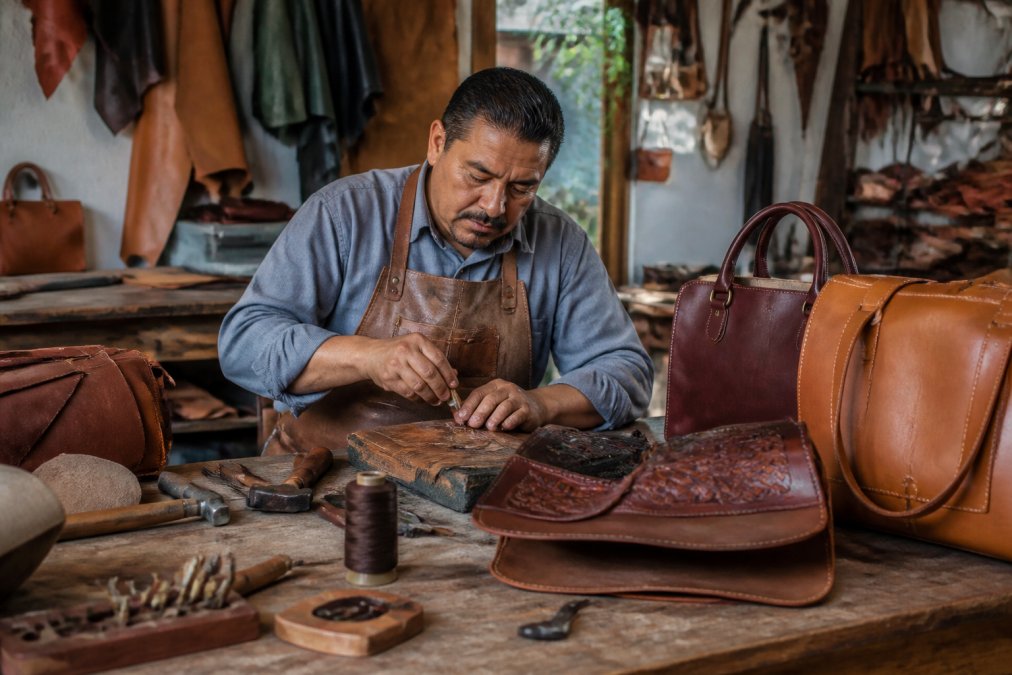
Direct economic support is immediate. Artisans set their own prices and keep the full margin on their work. When you purchase a handcrafted piece, you're paying the person whose hands created it, not a corporate middleman.
Community preservation matters deeply. Artisanal leather-working is a traditional craft in many cultures, particularly in Mexico where generations of families have perfected techniques passed down through time. When demand for handcrafted goods declines, young people leave these communities. Supporting artisans sustains cultural heritage and keeps traditional skills alive.
Skill development and apprenticeship depend on market demand. Experienced artisans can only take on apprentices when business supports additional workers. Your purchase indirectly funds the training of the next generation of makers, sustaining craft knowledge that would otherwise disappear.
Economic stability enables better working conditions. Artisans with steady, fair income can invest in better tools, safer workshops, and comfortable environments. They can offer their families education and opportunities.
Purchasing from ethical brands signals market demand for sustainable, artisanal production. As more consumers choose handcrafted over mass-produced goods, more artisans can sustain their livelihoods through traditional work.
Caring for Handcrafted Leather: Maintenance and Repair
Handcrafted leather pieces reward care with decades of beautiful aging. Proper maintenance prevents damage, extends life, and enhances the patina development that makes aged leather distinctive.
Regular conditioning: Condition your piece every 6-12 months using a leather conditioner formulated for vegetable-tanned leather. Apply sparingly with a soft cloth, working in circular motions. Quality conditioners use natural oils rather than silicones that build up over time.
Protective treatment: A beeswax or plant-based leather protectant creates a water-resistant barrier without suffocating the material. Apply before heavy use or seasonal changes to prevent stains and water damage while allowing leather to breathe and age naturally.
Cleaning: Wipe your piece regularly with a soft, dry cloth to remove dust and debris. For stains, use a damp cloth with minimal water. For stubborn stains, consult a professional leather cleaner rather than experimenting with harsh chemicals.
Storage: Store leather pieces in cool, dry conditions away from direct sunlight. Use dust bags rather than plastic, which traps moisture. Stuff bags with acid-free tissue to maintain shape.
Repair and restoration: Professional leather repair extends life indefinitely. Worn straps can be replaced, faded areas can be re-conditioned, seams can be reinforced, and hardware can be replaced. Artisans often offer repair services, and specialized professionals can restore even severely damaged pieces.
Avoiding damage: Keep leather away from extreme heat, which dries and cracks it. Avoid prolonged wet conditions and allow wet leather to dry naturally at room temperature. Be mindful of sharp objects that can puncture or tear.
Regular, gentle care ensures your handcrafted leather piece remains beautiful and functional for decades.
Choosing ethical handcrafted leather fashion means investing in pieces that age beautifully while supporting artisans and sustainable production. Each purchase becomes a statement about the kind of world you want to support, one where craftsmanship matters, communities thrive, and possessions last. Lunas Artisanal Shop specializes in handcrafted leather accessories that embody these values, featuring 100% genuine leather pieces that blend traditional artistry with modern elegance. When you shop with us, you're not just buying an accessory, you're supporting Mexican craftsmanship, preserving cultural heritage, and choosing quality that will serve you for years. Learn more about sustainable leather production practices and discover how your purchasing power shapes the future of ethical fashion.
Frequently Asked Questions
What exactly is ethical handcrafted leather, and how is it different from mass-produced leather?
Ethical handcrafted leather is made by skilled artisans using traditional techniques, often with vegetable-tanned or chrome-tanned methods that prioritize environmental responsibility. Unlike mass-produced leather, each piece is individually crafted with attention to quality and durability. Ethical production means transparent supply chains, fair wages for makers, and responsible sourcing of hides as by-products of the meat industry. Handcrafted pieces often feature unique variations and superior construction that factory-made items cannot match.
How can I verify that a leather brand is truly ethical and not just using that as marketing?
Look for verifiable certifications like LWG (Leather Working Group) certification, which audits tanneries for environmental and social standards. Ask brands directly about their supply chain, tanning methods, and artisan relationships. Ethical brands provide transparency about where leather comes from, how it's processed, and who makes the final product. Request information about waste reduction practices, water usage, and chemical management. Read customer reviews and check if the brand shares stories about the artisans behind the pieces.
Does handcrafted leather actually last longer than synthetic alternatives?
Yes. Genuine handcrafted leather develops character over time and can last decades with proper care, while synthetic materials typically degrade within 2-5 years. Leather ages beautifully, becoming softer and more supple with use. Handcrafted pieces use superior stitching and construction methods that withstand daily wear far better than mass-produced items. The durability of handcrafted leather makes it a more sustainable choice overall, reducing the need for frequent replacement and ultimately lowering your environmental footprint.
What are the main environmental benefits of vegetable-tanned leather?
Vegetable-tanned leather uses natural tannins from tree bark instead of heavy metals or synthetic chemicals, making it biodegradable at the end of its life. The tanning process produces less toxic waste and requires fewer chemicals than chrome-tanning methods. Vegetable-tanned leather also supports circular economy practices because it can return to soil without environmental harm. While the process takes longer and costs more, it eliminates harmful runoff that damages waterways and produces leather that ages beautifully rather than deteriorating.
This article was written using GrandRanker